If your dentist has recommended root canal treatment, it’s understandable to feel some apprehension. In modern dentistry, a root canal is a predictable, tooth-saving procedure that relieves deep pain and preserves the function and appearance of your natural tooth. For many people, it prevents the need for extraction and the restorative work that follows.
At the office of Simpler Dental, we combine up-to-date techniques with attentive patient care to keep treatment efficient and as comfortable as possible. Our approach emphasizes clear communication so you understand why a root canal is recommended and what to expect from the process.
A root canal addresses disease inside the tooth rather than removing the tooth entirely. When the dental pulp becomes infected or irreversibly inflamed, treating that internal space preserves the tooth’s structure and its role in chewing, speaking, and maintaining the alignment of neighboring teeth.
Saving the natural tooth helps maintain normal chewing forces and supports the surrounding bone. In many cases a treated tooth can function for many years, and often for life, with proper restoration and routine care.
Because preserving your own tooth is typically the most conservative long-term option, root canal therapy remains a cornerstone of restorative dentistry. It’s a treatment chosen when the goal is to relieve pain, control infection, and maintain your natural dentition.

Under the hard outer enamel and dentin, each tooth contains a central chamber that houses the dental pulp: nerves, connective tissue, and blood vessels that helped the tooth develop. Once a tooth is fully formed, the pulp’s primary role shifts from development to signaling problems and helping maintain internal health.
When bacteria reach the pulp through deep decay, cracks, or repeated dental work, the tissue can become inflamed or infected. That process may produce lingering sensitivity, severe pain, swelling, or sometimes no obvious symptoms at all. The severity and character of symptoms depend on how advanced the condition is.
Other causes of pulp damage include trauma from an injury, fractures that expose the inner chamber, or long-standing cavities that eventually reach the nerve. Early evaluation and radiographic imaging allow dentists to identify the extent of damage and recommend the appropriate treatment.
Not every toothache requires root canal therapy, but certain patterns of discomfort and visible changes often indicate the need for a closer look. Prompt evaluation can mean a simpler procedure and a quicker return to normal function.
The items below describe common clues that a tooth may require root canal treatment. If you notice one or more of these signs, schedule an appointment so a clinician can assess the situation and recommend the best next steps.
Persistent pain that interferes with sleep, is difficult to control with over-the-counter remedies, or comes on without an obvious trigger often reflects deeper nerve involvement. Pain that escalates when lying down or wakes you at night warrants prompt attention.
When a tooth reacts sharply to warm or cold foods and the sensation lingers, the inner tissues may be inflamed. Prolonged temperature sensitivity is a common early sign that the pulp is compromised.
Discomfort on biting or even on light touch can indicate that the tooth’s supporting tissues or the pulp are involved. This symptom sometimes accompanies fractures or infections that put pressure on the nerve.
A tooth that darkens following an injury or over time may signal that its internal tissues have changed. Internal discoloration is one clue that the pulp has been damaged or has died.
Teeth with large fillings, repeated restorative work, or visible cracks are at greater risk of pulp exposure or infection. Protecting these teeth with appropriate treatment can prevent worsening damage.
Swelling near a tooth or a draining sinus tract (a small bump on the gum) usually reflects an underlying infection. Such signs indicate that bacteria have reached the root tip and are creating inflammation in the surrounding bone.
Advanced root or bone involvement can lead to mobility. Treating the infected tooth and allowing the tissues to heal may stabilize the tooth if detected and managed in time.

In some cases a problematic tooth shows few or no symptoms and is first identified during a comprehensive oral exam or on a dental radiograph. X-rays can reveal changes at the root tip or bone loss that indicate infection even when you don’t feel pain.
Delaying care allows infection to progress, which can make treatment more complex and prolong recovery. Early intervention reduces the risk of spread to surrounding tissues and can often be completed with less chair time and fewer appointments.
A clear, timely plan, based on clinical evaluation and imaging, helps protect both oral health and overall wellbeing. When a root canal is recommended, seeking care without undue delay supports better outcomes.
Root canal therapy begins with numbing the area so the procedure is comfortable. Using small instruments and techniques refined over decades, the dentist removes diseased tissue from the canals, cleans and shapes the internal spaces, and seals them with a biocompatible filling material to prevent reinfection.
Some teeth are straightforward and can be treated in a single visit; others require multiple appointments because of anatomy, the presence of infection, or the need for temporary medication to help resolve inflammation. When helpful, we explain each stage before it begins and pause whenever you need, which makes the visit easier for patients who feel anxious.
After treatment you may experience mild soreness for a few days as surrounding tissues settle. Over-the-counter pain relievers typically manage this, and your dentist will provide specific recovery guidance. It’s important to have the tooth restored with a permanent crown or appropriate restoration once healing is complete, because that final restoration restores strength and function and reduces the chance of fracture.
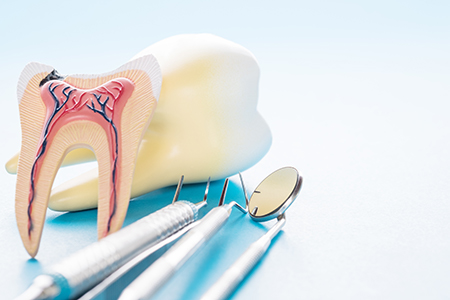
With thoughtful care and routine dental maintenance, a tooth treated with root canal therapy can remain a reliable part of your mouth for many years. Our team stresses clear communication before, during, and after treatment so you know what to expect and how to care for the tooth.
Simpler Dental is committed to delivering precise, comfortable root canal care when it’s the best option to relieve pain and preserve your natural smile. If you have persistent tooth pain, a darkened tooth, or any of the signs described above, don’t delay an evaluation.
We’re here to help. Please contact us if you’d like more information or to schedule an assessment.


Root canal therapy is a dental procedure that treats disease or injury inside the tooth rather than removing the tooth entirely. The treatment removes infected or inflamed pulp, cleans and shapes the internal canals, and seals them to prevent reinfection. The primary goals are to relieve pain, eliminate infection, and preserve the natural tooth so it can continue to function in chewing and support adjacent teeth.
Saving the natural tooth helps maintain normal bite forces and supports the surrounding bone and tissues. When properly treated and restored, many teeth treated with root canal therapy remain functional for many years or even a lifetime. Diagnosis and a well-planned restoration after the procedure are key to long-term success.
Certain patterns of symptoms often suggest the need for endodontic evaluation, including persistent or severe toothache, heightened sensitivity to heat or cold that lingers, pain when biting, swelling, or the appearance of a small bump on the gum near a tooth. A tooth that darkens after trauma or becomes progressively discolored may also indicate internal changes. Some infected teeth, however, produce few or no symptoms and are detected during routine exams or on dental x-rays.
If you notice one or more of these signs, prompt evaluation can simplify treatment and improve outcomes. Your dentist will perform a clinical exam and take appropriate radiographs to determine whether the pulp is affected and whether root canal therapy or another approach is recommended. Early diagnosis reduces the risk that the infection will spread to surrounding bone and tissues.
Root canal treatment begins with anesthesia to ensure comfort, followed by access to the pulp chamber using small instruments and magnification when indicated. The clinician removes diseased pulp, cleans and shapes the canal system using specialized files and irrigation solutions, and then seals the canals with a biocompatible filling material to block pathways for bacteria. Depending on the tooth’s anatomy and the presence of infection, the procedure may be completed in one visit or staged with a temporary dressing between appointments.
After internal treatment, the tooth requires a permanent restoration to restore strength and function; posterior teeth commonly receive full crowns to reduce the risk of fracture. Your dentist will review options for final restoration and schedule follow-up visits to confirm healing. If complex anatomy or persistent infection is present, referral to an endodontic specialist for advanced care may be recommended.
Modern techniques and effective local anesthesia make root canal therapy comfortable for most patients, and the procedure itself is generally no more uncomfortable than having a routine filling placed. Many patients report significant relief from the intense pain that led them to seek treatment once the infected tissue is removed. Anxiety and discomfort can be further managed with thorough local anesthesia and clear communication throughout.
It is common to experience mild soreness or sensitivity for a few days after treatment as surrounding tissues recover, and over-the-counter pain relievers typically control this discomfort. If severe or worsening pain, persistent swelling, or other unusual symptoms occur after treatment, patients should contact their dentist for evaluation. Timely follow-up helps ensure proper healing and addresses any complications promptly.
After root canal treatment it is important to follow your dentist’s instructions regarding temporary restorations and to avoid chewing on the treated tooth until it has been permanently restored. Maintain excellent oral hygiene by brushing twice daily and flossing to minimize bacterial buildup around the treated tooth and surrounding teeth. Attend recommended follow-up visits so your dentist can monitor healing with clinical exams and radiographs.
Once the permanent restoration is placed, continue routine dental checkups and professional cleanings to support long-term success. If you notice persistent or increasing pain, swelling, or a change in bite after restoration, contact your dental team promptly. Early assessment can determine whether further treatment or adjustment is needed.
Yes, many teeth treated with root canal therapy remain functional for decades when they receive an appropriate final restoration and regular maintenance. A well-sealed root canal filling combined with a protective crown or onlay reduces the risk of reinfection and mechanical failure. Ongoing oral hygiene, periodic clinical exams, and radiographs help identify changes early and support the longevity of the treated tooth.
Despite careful treatment, some teeth may require retreatment, endodontic surgery, or extraction later if reinfection or structural problems occur. Factors such as the tooth’s location, degree of initial infection, anatomy, and the quality of the restoration influence long-term outcomes. Your dentist or an endodontic specialist can explain the prognosis for your specific tooth and outline steps to maximize its lifespan.
The main alternative to root canal therapy is removal of the affected tooth followed by replacement with an implant, bridge, or removable prosthesis, each of which has distinct clinical considerations. Another possible approach in certain cases is close monitoring if symptoms are minimal and radiographs show limited involvement, though this does not eliminate the source of infection. In some situations, less invasive pulp therapies may be appropriate, but those options depend on the extent of pulp damage and are assessed on a case-by-case basis.
Choosing the best option requires discussion of the tooth’s long-term prognosis, functional needs, and overall oral health. Your dentist will review the clinical findings, imaging, and restorative requirements to recommend the approach that best preserves function and oral health. If extraction is chosen, coordinated planning for tooth replacement helps maintain chewing efficiency and support for adjacent teeth and bone.
Root canal therapy is highly predictable, but like any medical procedure it carries potential risks such as persistent infection, incomplete cleaning of complex canals, instrument separation, or accidental perforation of the tooth structure. In some cases the canal anatomy or prior treatment can complicate therapy and require retreatment or referral to an endodontist. Allergic reactions to materials are rare, and systemic complications are uncommon when standard infection control and medical history screening are observed.
Your clinician will discuss risks specific to your situation before treatment and will use diagnostic imaging to plan care that minimizes complications. If signs of persistent infection, new swelling, or unusual symptoms develop after treatment, prompt evaluation can determine whether additional treatment, surgical intervention, or retreatment is necessary. Careful follow-up and adherence to restorative recommendations contribute to the best outcomes.
Contemporary endodontic care benefits from technologies that improve precision and predictability, including digital radiography, cone-beam CT imaging for complex cases, surgical microscopes or loupes for enhanced visualization, and mechanical rotary instruments that allow more consistent canal shaping. Effective irrigation protocols and obturation techniques also reduce the risk of residual bacteria and reinfection. Advanced pain control strategies help patients remain comfortable during longer or more complex procedures.
These technologies support more accurate diagnosis, efficient treatment, and better long-term results, especially for anatomically complex teeth. At Simpler Dental, clinicians integrate modern imaging and restorative planning to coordinate endodontic care with final restoration, helping patients achieve durable, functional outcomes. Your dentist can explain which technologies will be used and why they are recommended for your case.
You should seek an evaluation as soon as you notice persistent or severe tooth pain, prolonged temperature sensitivity, swelling, a gum bump near a tooth, or any sudden change in color or mobility of a tooth. Prompt assessment reduces the likelihood that an infection will progress, which can make treatment more complex and impact adjacent tissues. Early diagnosis often allows for more conservative, efficient care and a quicker return to normal function.
The office of Simpler Dental in downtown Washington, D.C., encourages patients with these signs to contact the practice for a clinical examination and appropriate imaging. Your dentist will explain the findings, discuss recommended treatment options, and outline the steps required to restore health and function while answering any questions you have about the process.
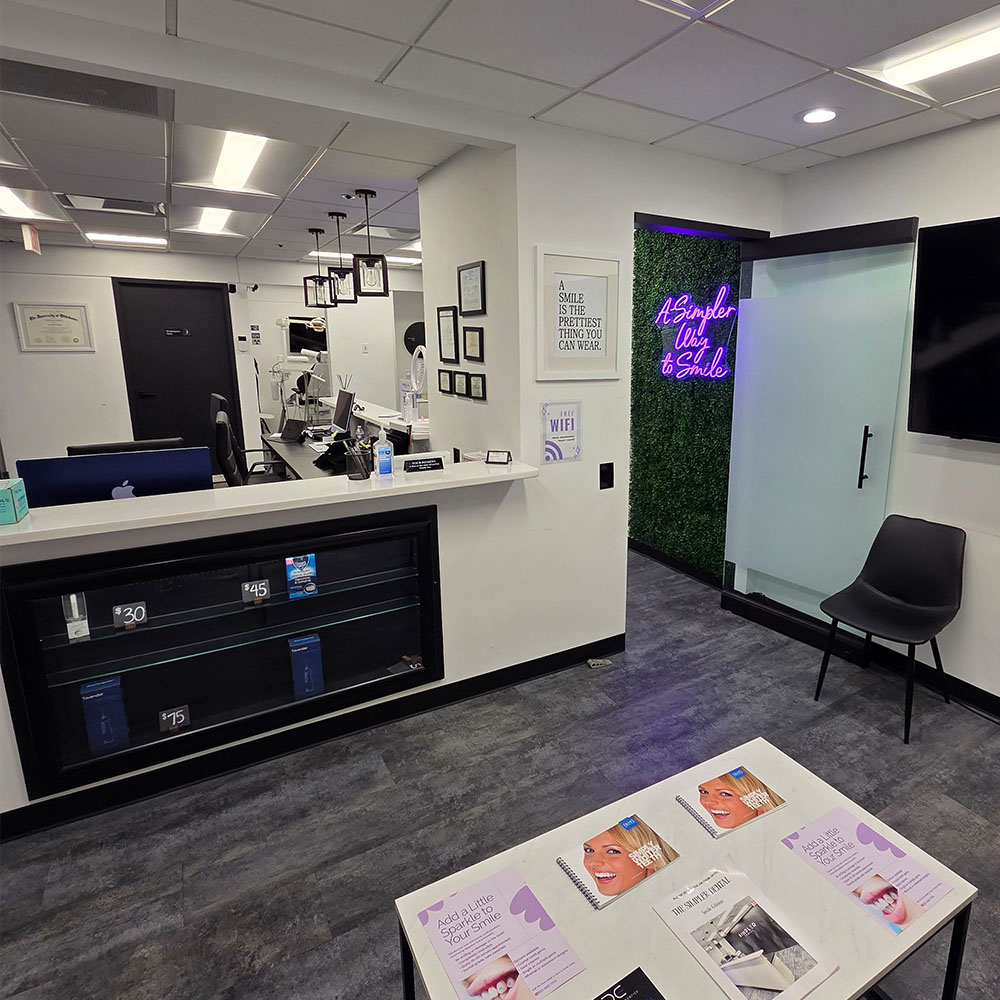
Simpler Dental is currently accepting new patients.
To arrange an appointment, please call our office. New patients may reach us at (202) 221-4689, and existing patients at (202) 545-7774. You may also complete the form below and a member of our team will contact you to confirm a time. If you provide your insurance details in advance, we will verify your coverage prior to your visit.
Our office is located in Unit 820 at 2021 K Street NW, a short walk from the Foggy Bottom-GWU Metro station. Parking is available in the building garage.