Gum disease is the leading cause of adult tooth loss, yet it often develops quietly over time. Studies show periodontal conditions affect a large portion of adults, and left unaddressed they can erode the tissues that anchor your teeth. At the office of Simpler Dental, we focus on practical, evidence-based strategies to preserve gum health and protect the long-term function and appearance of your smile.
Periodontal disease begins when bacteria in dental plaque accumulate along the gumline and beneath the gums. The body’s immune response to these bacteria causes inflammation, which in turn damages the soft tissues and, eventually, the bone that support teeth. This process can be gradual; patients frequently notice symptoms only after tissue loss has already begun.
Not every person progresses from mild inflammation to advanced periodontal breakdown. Several factors influence the course of disease, including genetics, smoking, systemic health conditions like diabetes, and oral hygiene habits. Understanding these risk factors helps your dental team tailor prevention and treatment approaches to your specific situation.
Because early stages are often painless, routine dental exams and professional cleanings are the most reliable way to detect and intercept gum disease before it threatens tooth support. When detected early, simple measures can reverse damage and restore gum health; when identified later, more involved therapy may be required to stabilize the situation.
Being familiar with the usual warning signs of gum disease makes it easier to get care when it matters most. Common indications include gums that look red or swollen, bleeding with brushing or flossing, and persistent bad breath. You may also notice sensitivity, receding gumlines that expose root surfaces, or teeth that feel mobile.
Changes in how your bite feels, new gaps between teeth, or difficulty with an existing partial denture can also signal periodontal changes. Because symptoms vary in severity and can come and go, it’s important to report any of these findings to your dental provider rather than assuming they’re temporary.
Below are some commonly observed signs that warrant evaluation by a dental professional:
Red, tender, or swollen gum tissue
Bleeding during brushing or flossing
Receding gums and exposed tooth roots
Heightened sensitivity to hot or cold
Chronic bad breath or an unpleasant taste
Looseness or shifting of teeth
New spacing between teeth or changes in bite
Changes in how partial dentures fit
Pus or discharge around the teeth and gums
Pain while chewing or biting

Healthy gums do more than hold teeth in place; they form a protective barrier that helps maintain overall oral function and comfort. When periodontal tissues break down, chewing and speaking can become more difficult, and the consequences extend to a person’s self-image and quality of life. Preserving periodontal health keeps your smile functional and confident.
Medical research has also drawn connections between chronic periodontal inflammation and certain systemic conditions. While the relationship is complex and still under study, evidence suggests that prolonged oral inflammation can influence inflammatory processes elsewhere in the body. For patients with underlying health concerns, maintaining gum health is an important part of comprehensive care.
At our practice, we emphasize prevention (routine exams, focused hygiene instruction, and maintenance care) because stopping disease early preserves tissue and reduces the need for more invasive interventions. A proactive approach benefits both oral health and overall well-being.
Gingivitis is the initial, reversible stage of periodontal disease. It shows up as redness, mild swelling, and bleeding, but it does not yet include the tissue or bone loss that defines more advanced disease. That reversibility is good news: with consistent professional care and improved home hygiene, gingivitis can be resolved.
A typical treatment plan for gingivitis focuses on thorough cleaning to remove plaque and calculus, targeted instruction to improve brushing and flossing technique, and a short-term recall schedule to confirm the tissues are returning to health. Because gingivitis responds well to conservative care, early attention greatly reduces the chance of later complications.
When you and your dental team commit to the same goals (daily plaque control, regular professional maintenance, and attention to risk factors like tobacco use), the likelihood of progression drops dramatically. Detecting gingivitis early is one of the most effective steps toward long-term periodontal stability.

Periodontitis is what happens when gingival inflammation advances and begins to destroy the structures that support teeth. Connective tissue fibers and the surrounding bone can be lost, pockets can form between the tooth and gum, and teeth may loosen. This progression is cumulative; the earlier it is arrested, the better the long-term outcome.
Treatment for periodontitis aims to eliminate the bacterial challenge, reduce inflammation, and restore an environment where the tissues can remain healthy. Depending on the extent of tissue loss, care may include mechanical cleaning below the gumline, local or systemic antimicrobial support, and regenerative techniques to rebuild lost structure where appropriate.
A staged approach is often used: first, control the infection and inflammation; next, reassess the tissues; finally, offer surgical or regenerative options when conservative measures are insufficient to reestablish a healthy architecture.
Successful periodontal therapy blends careful diagnosis with individualized treatment planning. We begin with a thorough assessment of pocket depths, tissue condition, and bone support, and we consider medical history and lifestyle factors that affect healing. From that foundation we recommend a stepwise program designed to stop disease activity and help you maintain gains over time.
Non-surgical treatments are often the first line of defense. Scaling and root planing, deep cleaning below the gumline, removes irritants and allows inflamed tissues to recover. Adjunctive measures such as localized antimicrobial agents may be used to reduce bacteria in persistent pockets and to support healing.
When pockets remain deep after conservative care, periodontal surgery can make the area accessible for thorough cleaning and tissue recontouring. In many cases, regenerative techniques, including bone and soft-tissue grafting, can rebuild lost structure to improve both function and appearance.

For early to moderate disease, non-surgical therapy is the preferred starting point. Scaling and root planing targets the plaque and calculus beneath the gumline and smooths root surfaces to discourage bacterial recolonization. With proper home care and periodic professional maintenance, many patients achieve lasting stability without surgery.
Adjuncts to mechanical cleaning can include locally delivered antimicrobials placed into pockets or systemic medications when indicated. The goal is to reduce the microbial load and create conditions that allow healing and reattachment of the tissues to the tooth roots.
When non-surgical measures resolve inflammation and reduce pocket depths to manageable levels, ongoing supportive care becomes the key to preventing relapse.
When disease has progressed to the point that pockets are too deep to clean effectively with non-surgical methods, surgical intervention is often necessary. Flap procedures expose the root surfaces for thorough debridement and allow the surgeon to reshape bone and soft tissues to reduce pocket depth and make future hygiene easier.
Regenerative therapies, such as bone grafts and guided tissue regeneration, aim to restore lost supporting structures when possible. These procedures can improve the stability of compromised teeth and create a healthier foundation for long-term function.
Modern periodontal care also incorporates technologies like soft-tissue lasers in select cases to reduce inflammation and aid in tissue recontouring, and these tools can complement traditional surgical techniques when appropriate.
Keeping periodontal disease under control is a partnership between you and your dental team. If you’re concerned about bleeding gums, persistent bad breath, or any changes in how your teeth feel, our team at Simpler Dental can evaluate your condition, explain your options, and recommend a plan that aligns with your goals for health and appearance.
To learn more about periodontal treatment and whether you may benefit from a focused evaluation, please contact us for additional information.


Periodontal treatment refers to the range of clinical measures used to diagnose, manage, and arrest gum disease so that the tissues that support teeth remain healthy and functional. It focuses on removing the bacterial challenge, reducing inflammation, and restoring an environment where the gums and bone can remain stable. Treatment plans are individualized according to the stage of disease, the patient’s medical history, and their oral hygiene capability.
The overall goals of periodontal care are to stop disease progression, preserve natural teeth when possible, and reduce the risk of recurrence through ongoing maintenance. Early-stage disease can often be reversed with conservative measures, while more advanced cases may require surgical or regenerative approaches. Successful outcomes rely on professional therapy combined with consistent home care and risk factor management.
Gum disease is initiated by bacterial plaque that accumulates along the gumline and beneath the gums, triggering an inflammatory response that can damage soft tissue and bone. Risk factors that increase susceptibility include smoking or tobacco use, uncontrolled diabetes, certain medications that reduce saliva flow, and genetic predisposition. Poor oral hygiene and irregular professional care further raise the likelihood of disease development and progression.
Other contributors include high stress levels, hormonal changes, and conditions that reduce immune function, all of which can alter the body’s response to oral bacteria. Identifying and addressing these risks is a key part of a personalized periodontal plan. Patients who are aware of their risk profile can take targeted steps to reduce their long-term chances of periodontal breakdown.
Common signs that warrant an evaluation include gums that are red, swollen, or bleed during brushing and flossing, persistent bad breath, and increasing tooth sensitivity. You may also notice gum recession that exposes root surfaces, loose or shifting teeth, new spaces between teeth, or changes in how partial dentures fit. Pain when chewing, pus or discharge near the gums, and a sour taste are additional indicators of active infection.
Because early stages of gum disease are often painless, even mild or intermittent symptoms should be reported to your dental provider rather than ignored. Timely assessment allows for conservative intervention that can prevent more extensive tissue loss. Regular exams and professional cleanings are the most reliable way to detect periodontal problems before they become advanced.
Diagnosis begins with a comprehensive clinical exam that includes periodontal probing to measure pocket depths, assessment of gum tissue condition, and evaluation of tooth mobility. Digital radiographs or 3D imaging help reveal bone levels and detect areas of bone loss that are not visible during the clinical exam. A thorough medical history and review of medications and habits are also essential because systemic factors influence periodontal risk and healing potential.
Periodontal charting records pocket depths, bleeding on probing, and attachment levels to establish a baseline and guide treatment sequencing. This information is used to stage and grade disease severity and to create a treatment plan with clear short- and long-term goals. Ongoing re-evaluation after initial therapy determines whether further intervention is needed.
The cornerstone of non-surgical care is scaling and root planing, a deep cleaning that removes plaque and calculus from below the gumline and smooths root surfaces to discourage bacterial reattachment. This mechanical debridement is often complemented by localized antimicrobial agents placed into persistent pockets to reduce bacterial load and aid healing. For some patients, short courses of systemic antibiotics are recommended when the bacterial profile or disease severity indicates broader microbial control is necessary.
Adjunctive therapies such as laser treatment or host-modulation agents may be used selectively to reduce inflammation and support tissue recovery, depending on individual needs. Improvements in oral hygiene technique and more frequent professional maintenance visits are integral to the non-surgical approach. When these measures reduce pocket depths to manageable levels, ongoing supportive care helps maintain stability without surgical intervention.
Surgical periodontal therapy is considered when deep pockets persist after thorough non-surgical care or when anatomic factors prevent adequate cleaning and healing. Common procedures include flap surgery to expose root surfaces for debridement and to allow recontouring of bone and soft tissue to reduce pocket depths. Surgery may also include access for removing difficult deposits, improving hygiene access, and reshaping tissues to create a more maintainable architecture.
Regenerative techniques such as bone grafting, guided tissue regeneration, and the use of biologic growth factors aim to rebuild lost support where feasible and appropriate. Soft-tissue grafting can address recession and improve root coverage for sensitivity and esthetics. These procedures require careful case selection, meticulous surgical technique, and adherence to post-operative instructions to achieve predictable healing.
In many cases, lost periodontal structures can be at least partially restored using regenerative therapies that encourage new bone and connective tissue attachment. Bone grafts, barrier membranes, and biologic agents are employed to promote regeneration in areas where defects are suitable for treatment. The degree of regeneration depends on defect size and shape, the patient’s healing capacity, and control of infection and inflammation prior to surgery.
Soft-tissue grafts can augment thin or recessed gingival tissue to improve root coverage and reduce sensitivity, while improving the long-term stability of the marginal tissues. Predictable outcomes are more likely when active disease is controlled and patients follow a rigorous maintenance regimen. Long-term monitoring is essential to preserve gains and detect any signs of recurrence early.
Preventing recurrence requires a partnership between the patient and the dental team that emphasizes daily plaque control and risk factor management. Effective home care includes brushing twice daily with appropriate technique, daily interdental cleaning with floss or interdental brushes, and use of adjunctive aids as recommended by your clinician. Addressing modifiable risks such as tobacco use, unstable blood sugar, and certain medications improves the tissue’s ability to remain healthy.
Professional maintenance visits at intervals tailored to your risk level are critical for removing new deposits, monitoring pocket depths, and reinforcing home care habits. During these visits the dental team reassesses clinical findings and updates the care plan as needed to prevent relapse. Consistent attendance at scheduled maintenance appointments is one of the most important predictors of long-term periodontal stability.
Research has established associations between chronic periodontal inflammation and systemic health conditions, including diabetes and cardiovascular disease, though these relationships are complex and subject to ongoing study. Periodontal inflammation can contribute to an increased systemic inflammatory burden, which may affect how other chronic conditions are managed. For patients with systemic diseases, improving oral health can be an important component of comprehensive care and may positively impact overall health markers.
Because of these connections, clinicians often coordinate care with a patient’s physician when systemic factors are present or when medical conditions could influence periodontal treatment and healing. Managing systemic risk factors such as blood glucose control and smoking cessation enhances the success of periodontal therapy. Open communication between dental and medical providers supports safer, more effective treatment planning.
During an initial evaluation your clinician will review your medical and dental history, perform a full oral examination, measure pocket depths with a periodontal probe, and take radiographs or 3D images as indicated to assess bone levels. The visit typically includes documentation of bleeding on probing, tooth mobility, and tissue morphology to establish a clinical baseline. These findings are used to determine disease stage and to prioritize treatment needs based on risk and urgency.
After the assessment the clinician will explain the diagnosis, outline reasonable treatment options, and recommend a sequence of care that balances conservative therapy with any necessary surgical or regenerative interventions. At Simpler Dental the plan is presented with clear follow-up steps and a maintenance strategy so patients understand how to participate in their long-term care. If referral to a specialist is advisable, the treatment team will coordinate that process and communicate expected next steps.
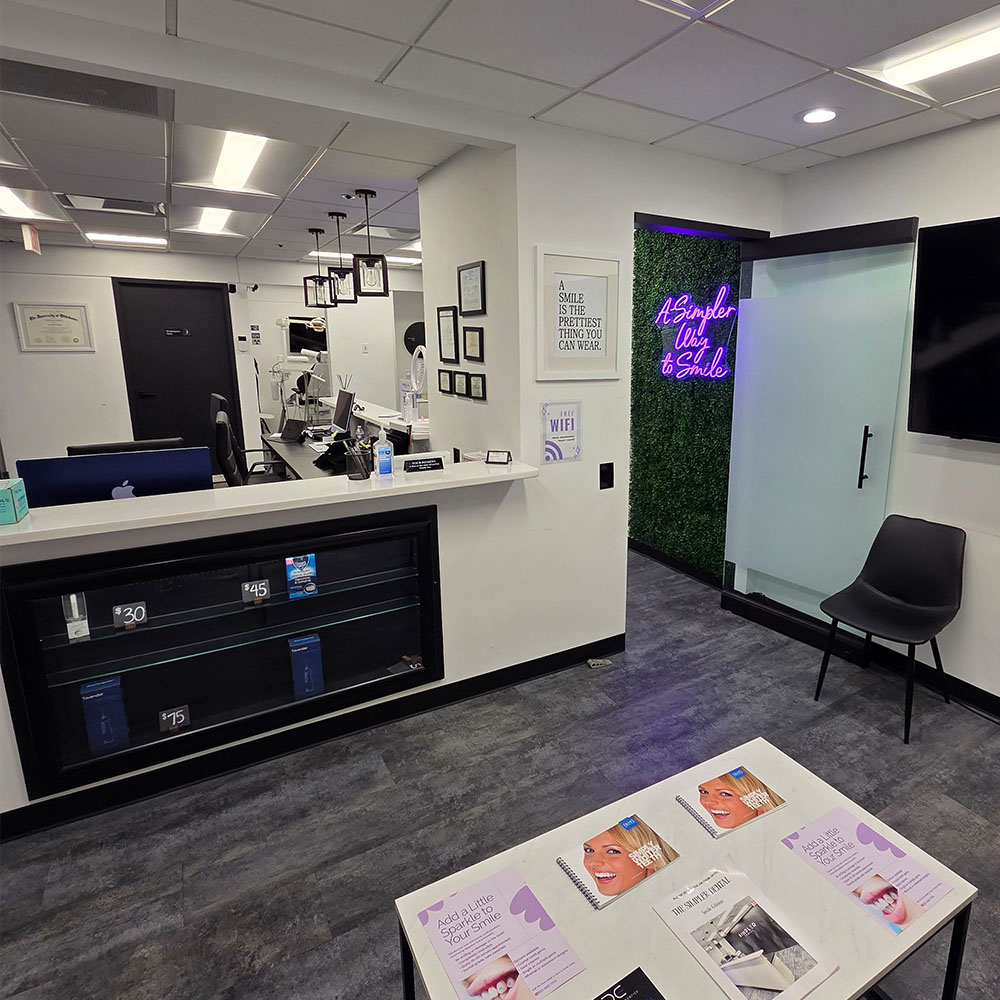
Simpler Dental is currently accepting new patients.
To arrange an appointment, please call our office. New patients may reach us at (202) 221-4689, and existing patients at (202) 545-7774. You may also complete the form below and a member of our team will contact you to confirm a time. If you provide your insurance details in advance, we will verify your coverage prior to your visit.
Our office is located in Unit 820 at 2021 K Street NW, a short walk from the Foggy Bottom-GWU Metro station. Parking is available in the building garage.