At the office of Simpler Dental, we take a preventative, evidence-informed approach to oral health. Regular oral exams are the best way to spot small issues before they become bigger problems, preserving function, appearance, and comfort over the long term. During each visit, our team combines careful visual inspection with modern diagnostics and patient-focused education so you leave with a clear understanding of your oral health status and what to do next.
Our preventive services include thorough clinical examinations, routine professional cleanings, oral cancer screening, and periodontal assessment. We also review medications, medical history, and lifestyle factors that can influence dental health. The goal is simple: catch disease early, tailor care to your needs, and support you with practical guidance for daily homecare.
We know every smile is different. Whether this is your first exam with us or a routine visit in an established plan, our appointments are tailored to your risk profile and personal goals. We explain findings in plain language, answer questions, and build a plan that fits your lifestyle and priorities.
Your initial oral exam sets the baseline for future care. We begin with a careful review of your medical and dental histories, noting any medications, chronic conditions, or recent changes in health. This context helps us interpret symptoms and choose the right diagnostic tools for a complete assessment.
Next, we perform a systematic clinical evaluation: teeth, gums, soft tissues, bite (occlusion), and the temporomandibular joints (TMJ). We look for signs of tooth decay, gum disease, wear from clenching or grinding, and irregularities in jaw function. If indicated, we’ll take diagnostic images to reveal what cannot be seen with the naked eye.
Oral cancer screening is an essential part of the exam. Our clinicians carefully examine the mouth, throat, and surrounding tissues for any suspicious areas and note changes that warrant follow-up. We pair this screening with patient education about risk factors and self-monitoring so you know what changes to watch for between visits.
Before you leave, we review our findings and discuss any recommended next steps, from a deeper cleaning to a focused restorative plan. Our aim is to present clear options and prioritize treatments according to urgency, long-term stability, and your personal preferences.

An oral exam often reveals clues about general health. Inflammation, unusual oral lesions, persistent dry mouth, or rapid changes in gum health can be associated with systemic conditions such as diabetes, autoimmune disorders, or nutritional deficiencies. We assess these signs with careful documentation and coordinated recommendations for medical follow-up when appropriate.
Research continues to illuminate links between oral disease and broader health concerns, for example, cardiovascular disease, respiratory infections, and complications in diabetes. Our exams are designed to detect early signs of periodontal disease and other conditions that can influence overall health, so we can act early and mitigate potential risks.
Because the mouth is a mirror of systemic wellness, we take a holistic view. We ask about sleep, diet, tobacco and alcohol use, and stress-related habits like teeth grinding. Counseling and preventive strategies are tailored to reduce oral-systemic risk and help protect both your smile and general health.
Some changes in the mouth are subtle but important. If we detect anything unusual, we’ll explain what we observed, why it matters, and the reasonable next steps, whether heightened monitoring, a biopsy referral, or collaboration with your medical provider.

Daily brushing and flossing are foundational, but professional cleanings remove hardened buildup and bacteria that home care can miss. Our hygienists use gentle, effective techniques to clear plaque and tartar from above and below the gumline, lowering the chance of cavities and periodontal disease while refreshing the appearance of your teeth.
Regular checkups also allow us to track changes over time. Small shifts in gum health, pocket depth, or tooth position that might mean little in a single visit can become meaningful trends when recorded and reviewed. Early intervention keeps treatment conservative and outcomes predictable.
We place special emphasis on patient education at hygiene visits. That includes reviewing brushing and interdental cleaning techniques, recommending products when helpful, and discussing how diet, medications, and habits affect oral tissues. We provide practical guidance to help you build daily routines that protect your teeth over the long term.
For many patients, twice-yearly exams and cleanings are ideal; for others with higher risk factors, more frequent recalls may be recommended. We individualize recall intervals based on gum health, history of decay, medical conditions, and other risk indicators.
Visual inspection is essential, but imaging lets us see what lies beneath the surface. Dental x-rays and digital imaging reveal cavities between teeth, bone levels around roots, impacted or developing teeth, and other hidden conditions that guide accurate treatment planning.
Modern digital radiography reduces radiation exposure while delivering crisp images instantly. Digital images are easy to enhance, store, and share with specialists when collaborative care is needed. This efficiency improves diagnostic clarity and helps you understand clinical findings during the visit.
Beyond standard 2D radiographs, cone-beam computed tomography (CBCT) delivers three-dimensional views for complex cases, such as implant planning, evaluation of pathologic lesions, or detailed assessment of jaw anatomy. We recommend advanced imaging only when it will meaningfully improve diagnosis or treatment outcomes.
Benefits of digital imaging include quicker acquisition, lower radiation dose compared with older film techniques, immediate availability for review, and a reduced environmental footprint since no film processing chemicals are required.
Not every visit requires every type of image. Our clinical judgment (informed by your history, symptoms, and risk profile) determines which radiographs or scans are most useful. For routine evaluations, small intraoral films and bitewings are common; for surgical planning or complex anatomy, a CBCT scan may be the better choice.
Common diagnostic images we use include:
Periapical x-ray: A focused view of a single tooth from crown to root, used to evaluate root health and bone support.
Bitewing x-ray: A paired image that highlights the crowns of posterior teeth and helps detect interproximal decay.
Full mouth series: A comprehensive collection of intraoral images offering a complete look at tooth structure and supporting bone.
Panoramic film (panorex): A broad, two-dimensional view of the jaws, useful for evaluating development, impactions, and general bone form.
Cephalometric film: A profile image often used in orthodontic assessment to study skeletal relationships and growth patterns.
When three-dimensional detail is required, CBCT provides precise information on bone volume, tooth position, and vital anatomy, an important tool for implant planning and complex surgical cases. We reserve advanced imaging for situations where it will clearly improve safety or predictability.
We take a conservative, individualized approach to diagnostics: using the least invasive tools necessary to answer the clinical question while keeping patient comfort and safety at the forefront.
In summary, a thoughtful oral exam combines clinical observation, tailored imaging, and clear communication. Our team focuses on early detection, practical prevention, and care plans that respect your goals. If you have questions about what to expect at your next visit or would like more information about oral exams, please contact us for details and assistance.

An oral exam is a comprehensive clinical assessment of your teeth, gums, soft tissues, bite and jaw function that helps identify current problems and risk factors for future disease. At the office of Simpler Dental we combine visual inspection with targeted diagnostics and patient education to create a clear baseline for ongoing care. Regular exams make it possible to detect decay, periodontal disease and other concerns early, when treatment can be more conservative and predictable.
Beyond treating immediate issues, oral exams support long-term function and appearance by tracking changes over time and guiding preventive strategies. Findings from an exam inform personalized recommendations for home care, recall intervals and any additional diagnostics that may be useful. Clear communication about results and options helps patients make informed decisions that match their needs and priorities.
Your first visit begins with a review of medical and dental history, including current medications, chronic conditions and recent health changes that could affect oral care. The clinician then performs a systematic clinical evaluation of teeth, gums, soft tissues, occlusion and the temporomandibular joints, noting wear, decay, mobility and any functional concerns. If indicated, we take diagnostic images to reveal areas not visible on clinical exam and to establish a radiographic baseline.
An oral cancer screening is included as part of the initial assessment, and the clinician will explain any findings in plain language while answering questions. We conclude by reviewing results, discussing recommended next steps and outlining a personalized plan for prevention or treatment. This visit sets expectations for future care and helps prioritize interventions based on urgency and long-term stability.
For many adults, a routine exam every six months aligns with professional cleanings and helps maintain healthy teeth and gums while allowing early detection of change. Recall intervals are individualized, however; patients with active periodontal disease, frequent decay, systemic health issues or certain medications may need more frequent visits. Your clinician will recommend a schedule based on your oral health status and risk profile rather than a one-size-fits-all timetable.
Establishing a consistent recall rhythm makes it easier to identify small shifts before they become larger problems, keeping treatment conservative and outcomes predictable. We track clinical and radiographic changes over time to adjust care plans and recall frequency as your needs evolve. If your health, medications or lifestyle change, notify the office so we can reassess the appropriate interval for exams.
An oral cancer screening is a careful visual and tactile examination of the lips, tongue, floor and roof of the mouth, throat and surrounding tissues to identify suspicious lesions, ulcers or color changes. Clinicians look for asymmetry, induration, persistent white or red patches and any abnormal nodules, documenting size, location and duration of findings. When available and appropriate, adjunctive tools such as VELscope fluorescence can help detect tissue changes not immediately apparent with the naked eye.
If an area of concern is found, the next steps may include enhanced monitoring at short intervals, referral for biopsy or collaboration with an oral surgery specialist or medical provider. Early identification and prompt follow-up significantly improve the chances of successful treatment. Patient education on risk factors and self-monitoring is part of the screening process so you know what to watch for between visits.
Imaging is an important complement to the clinical exam because it reveals conditions that are not visible externally, such as interproximal decay, root pathology and bone levels around teeth. Modern digital radiography provides high-quality images with lower radiation exposure than older film techniques and allows images to be enhanced and shared instantly for clearer diagnosis. Not every visit requires every type of image; we use clinical judgment to select the least invasive imaging that answers the clinical question.
Common images for routine exams include bitewing and periapical radiographs, while panoramic films and CBCT scans are reserved for complex cases such as implant planning or evaluation of anatomic variation. Advanced imaging is recommended only when it will materially improve safety or treatment predictability. Digital records also make it easier to monitor change over time and coordinate care with specialists when necessary.
Oral exams often reveal signs that reflect systemic health because the mouth can mirror conditions such as diabetes, autoimmune disorders, nutritional deficiencies and medication effects like dry mouth. Inflammation, rapid changes in gum health and unusual oral lesions can be important clues that prompt documentation and medical follow-up when appropriate. Recognizing these connections allows clinicians to advise patients about potential systemic implications and coordinate care with medical providers.
Research continues to explore links between oral disease and broader health concerns, including cardiovascular health and respiratory infections, so early detection and management of periodontal disease can have benefits beyond the mouth. During an exam we review lifestyle factors (such as tobacco and alcohol use, diet and sleep), and recommend preventive strategies to reduce oral-systemic risk. Clear communication and referral when needed help ensure comprehensive care for overall well-being.
Bring an up-to-date list of medications, recent medical history changes and the names of other treating providers so the dental team can consider systemic factors that influence oral health. If you have recent imaging or records from another practice, bring them or arrange to have them sent so clinicians can review prior findings and avoid unnecessary repeat imaging. Prepare any questions or concerns in advance so the visit can address your priorities and clarify home-care techniques.
It is helpful to arrive with clean teeth and to avoid eating immediately before the appointment when possible, but routine brushing and flossing are sufficient preparation. If you use removable dental appliances, bring them to the appointment for assessment and cleaning as needed. Communicate any anxiety or comfort needs so the team can make accommodations and explain each step of the exam clearly.
Exams also cover habit assessment and preventive measures such as fluoride guidance and sealants when appropriate. Visits also include practical education about brushing, interdental cleaning and diet, so good routines are easy to maintain between appointments. The clinical approach balances thorough assessment with behavior management strategies to create a positive experience and build trust.
For older adults, exams often focus on root caries, gum recession, the condition of restorations and issues related to dry mouth or medications that affect saliva. Assessments also consider prosthetic devices, implant maintenance and functional concerns such as chewing efficiency or changes in bite. Tailored recommendations address mobility, manual dexterity and medical comorbidities to support both oral comfort and overall nutrition.
A routine hygiene visit typically includes professional removal of plaque and calculus above and below the gumline, polishing and assessment of periodontal pocket depths to control bacterial buildup and reduce the risk of gum disease. Hygienists use gentle, evidence-based techniques to clean areas that are difficult to reach with home care alone and to monitor tissue response over time. These visits refresh oral tissues and provide measurable data that clinicians use to track trends and adjust care.
Hygiene appointments also emphasize patient education: demonstrating brushing and interdental techniques, recommending effective products and discussing how diet and habits affect oral health. For patients with higher risk factors, hygienists and clinicians may recommend more frequent recalls or adjunctive therapies to stabilize disease. Consistent hygiene care helps keep treatment conservative and preserves long-term function and appearance.
You should schedule an exam sooner than your next routine recall if you experience symptoms such as persistent pain, swelling, unexplained bleeding, new or changing sores, loose teeth or difficulty chewing. Sudden injuries, cracked or fractured teeth and signs of infection also warrant prompt evaluation to prevent complications. Early assessment allows targeted diagnosis and treatment that can limit progression and preserve oral structures.
Additionally, arrange an exam if you have a new medical diagnosis, begin medications that affect oral tissues, or are planning major dental work such as implants or extensive restorations. These situations may require updated imaging, coordination with medical providers or specialized planning to ensure safe, predictable outcomes. Timely communication with the practice helps us prioritize care when needs change.
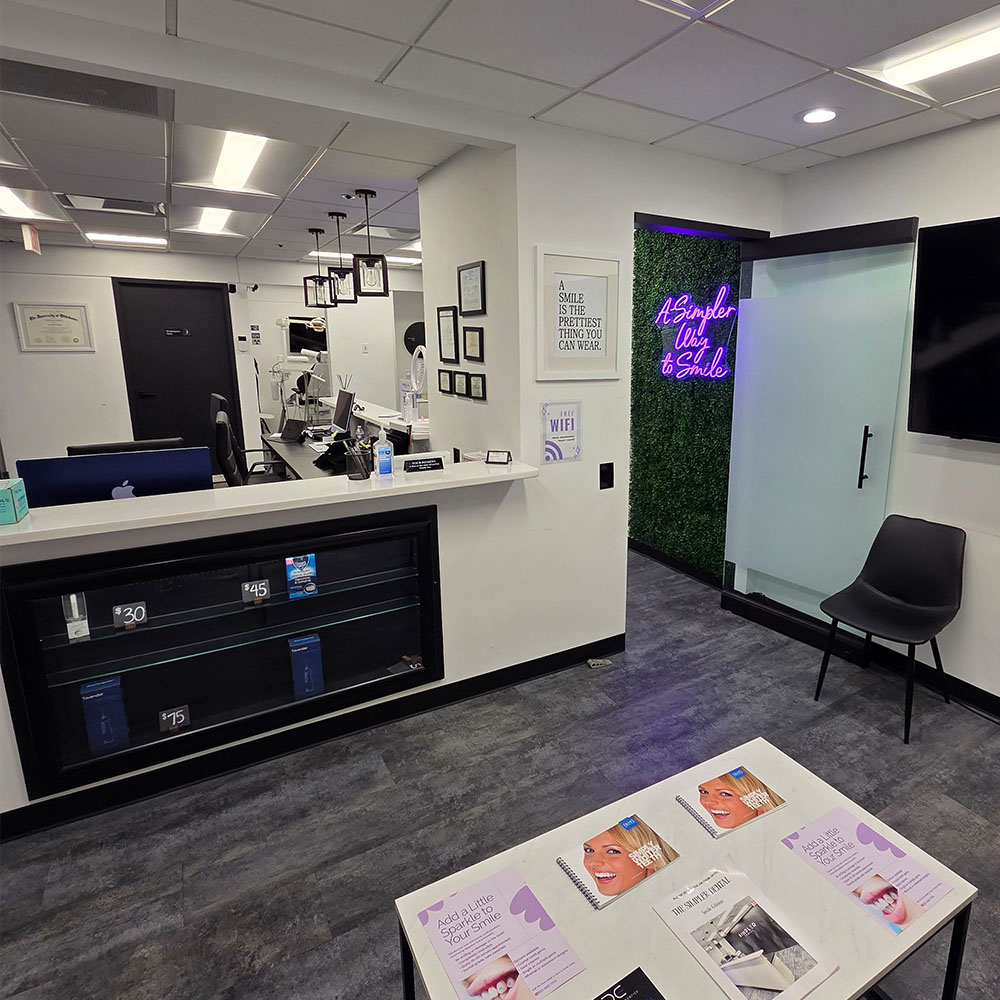
Simpler Dental is currently accepting new patients.
To arrange an appointment, please call our office. New patients may reach us at (202) 221-4689, and existing patients at (202) 545-7774. You may also complete the form below and a member of our team will contact you to confirm a time. If you provide your insurance details in advance, we will verify your coverage prior to your visit.
Our office is located in Unit 820 at 2021 K Street NW, a short walk from the Foggy Bottom-GWU Metro station. Parking is available in the building garage.