Tooth loss affects people of every background, but the consequences extend beyond a visible gap. Missing teeth change how your bite works, reduce the stimulation that preserves jawbone, and can make everyday tasks like chewing and speaking more difficult. Modern dental implants are designed to address these issues by replacing not just the visible crown, but the supporting root structure as well.
Implants are small, biocompatible posts placed into the jaw where they bond with bone. That stable foundation makes it possible to attach crowns, bridges, or denture frameworks that function and feel remarkably close to natural teeth. Because implants integrate with the bone, they help maintain facial contours and long-term oral health in ways that removable prostheses do not.
At Simpler Dental we emphasize predictable planning and clear communication so every implant case begins with careful evaluation. Candidates are assessed for overall oral health, bone quality, and individual goals. With appropriate preparation, implants can be an effective, long-lasting solution for a wide range of tooth replacement needs.

Unlike traditional removable dentures, implant-supported restorations are anchored in bone, so they rarely shift or cause friction against the gums. That stability makes it easier to speak clearly, enjoy a broader variety of foods, and avoid the day-to-day hassles of adhesives and repositioning. Many patients report a substantial improvement in comfort when their prosthesis is supported by implants.
Because implants replicate the function of tooth roots, they transmit normal chewing forces to the jawbone. This stimulation encourages the preservation of bone volume, which helps prevent the gradual facial changes that sometimes follow long-term tooth loss. For people concerned about facial profile and the long-term health of surrounding teeth, this benefit is particularly meaningful.
Implant restorations are also versatile: they can support a single crown, a bridge replacing several teeth, or a full-arch prosthesis. The ability to tailor the design to a patient’s needs makes implants a powerful option for restoring both appearance and oral function.
When only one tooth is missing, a single implant with a ceramic crown can recreate the look and function of a natural tooth without altering adjacent teeth. This eliminates the need to file down healthy teeth to support a traditional bridge, preserving more of the patient’s original dental structure while restoring their smile.
For consecutive missing teeth, an implant-supported bridge uses strategically placed implants to carry a span of crowns. This approach maintains bone in the areas where implants are placed and removes the requirement to prepare neighboring natural teeth. It’s an efficient way to replace multiple teeth with a durable, integrated solution.
Patients who are missing an entire arch have options ranging from fixed full-arch systems supported by four or six implants to implant-retained overdentures that snap onto locator attachments. Fixed options offer a permanently secured set of teeth that can closely mimic the function of natural dentition, while overdentures provide enhanced retention and ease of removal for cleaning. Both styles offer improved stability compared with conventional dentures.

Successful implant care starts with thorough planning. A clinical exam and three-dimensional imaging help the dentist evaluate bone anatomy, locate vital structures, and determine the ideal implant size and position. Digital planning allows the team to anticipate challenges and create a treatment sequence tailored to the patient’s anatomy and goals.
When surgery is indicated, most implant placements are performed as outpatient procedures using local anesthesia. The surgical phase can range from placing a single implant in a straightforward site to staged approaches that include bone grafting when additional support is needed.
After implant placement, a period of healing and osseointegration follows, during which the implant becomes joined with the surrounding bone. In some cases a temporary crown or prosthesis can be provided immediately for esthetics and function; in others the final restoration is delivered after the implant has fully integrated. The restoration phase focuses on creating a natural-looking, anatomically correct tooth form that blends with the surrounding dentition.
Throughout treatment the practice emphasizes clear instructions for pre- and post-operative care. Patients receive guidance on oral hygiene, diet, and follow-up visits so healing proceeds smoothly and predictable outcomes are achieved.
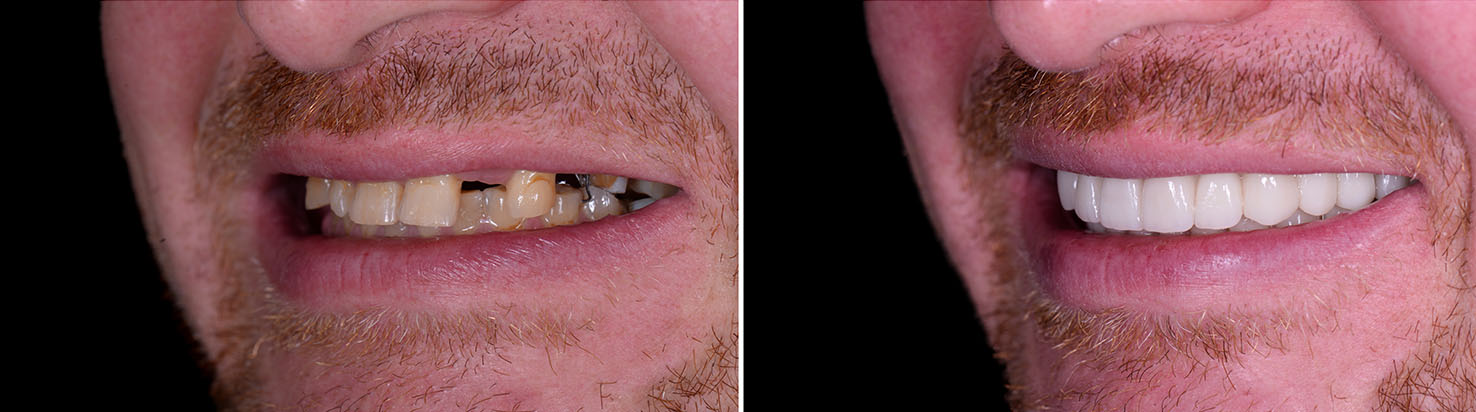
Not every mouth has the bone volume needed for implant placement right away. In those situations, predictable bone grafting or sinus elevation procedures can rebuild adequate support before implants are placed. These preparatory techniques expand the pool of patients who can benefit from implant therapy by creating the anatomical foundation implants require.
Good overall health, controlled periodontal conditions, and effective oral hygiene are important contributors to long-term implant success. A careful medical and dental history helps identify potential risk factors and allows the dental team to plan for them. Smoking cessation, managing systemic conditions, and treating periodontal disease improve the likelihood of durable outcomes.
Implants can last many years when they are maintained with consistent home care and regular professional checkups. Maintenance visits typically include clinical assessments of implants and restorations, careful cleaning around implant components, and periodic imaging as indicated. Addressing issues early, such as inflammation around an implant, helps prevent complications and preserve function.
When designed and placed with attention to detail, implant restorations offer a functional, attractive, and durable way to rebuild a smile. The practice combines modern technology with conservative planning to deliver results that fit each patient’s lifestyle and treatment goals.
Missing teeth are not simply an aesthetic problem; they affect nutrition, speech, and oral health. If you’re curious whether dental implants are a suitable answer for your situation, contact us to learn more about treatment options and next steps. Our team is available to discuss the process and help you decide the best path to restore your smile.


Dental implants are biocompatible posts surgically placed into the jawbone to replace the root portion of a missing tooth. Over time the implant integrates with bone through a process called osseointegration, creating a stable foundation for a crown, bridge, or denture. The final restoration attaches to the implant and restores chewing function and the appearance of a natural tooth.
This root-level support transmits normal chewing forces to the jaw, which helps preserve bone volume and facial contours that can deteriorate after tooth loss. Implant-supported restorations are designed to avoid relying on neighboring teeth for support, preserving surrounding dental structure. Because implants mimic both root and crown, they often provide superior comfort, function, and longevity compared with removable options.
Good candidates typically have adequate jawbone volume, healthy gum tissue, and overall good medical health, although many conditions can be managed to allow implant therapy. A thorough dental and medical history, clinical exam, and three-dimensional imaging reveal whether a site has the anatomy needed for predictable placement. Factors such as uncontrolled periodontal disease, certain systemic conditions, or tobacco use can affect candidacy and are discussed during evaluation.
Age alone is not a limiting factor; adults of many ages receive implants successfully when appropriate planning is followed. When bone volume is insufficient, preparatory procedures like bone grafting or sinus elevation can expand the pool of eligible patients. The practice reviews options and alternatives so each patient understands the recommended path forward based on their individual anatomy and goals.
Comprehensive planning begins with a clinical examination and three-dimensional CBCT imaging to assess bone quantity, density, and the location of vital structures such as nerves and sinuses. Digital impressions and radiographs enable precise selection of implant size, angulation, and position, and help the team design restorations that blend with adjacent teeth. This diagnostic information supports predictable surgical guides and efficient treatment sequencing.
Digital planning reduces surprises during surgery and allows the dentist to anticipate needs for grafting or staged approaches. The team discusses the proposed plan, expected timeline, and care steps so patients know what to expect at each phase. Clear communication between the clinical team and the patient improves comfort and treatment outcomes.
Most implant placements are performed as outpatient procedures using local anesthesia, with care taken throughout to keep you comfortable. The surgical visit may range from a single implant in a straightforward site to multiple implants with concurrent grafting in more complex cases. After placement, patients receive specific post-operative instructions on oral hygiene, pain management, and diet to support healing.
Mild swelling and discomfort are common in the first few days and typically resolve with conservative measures and prescribed instructions. The implant then undergoes osseointegration, a healing period during which the bone bonds to the implant surface and stabilizes the foundation. Follow-up visits monitor healing and address any questions so the restoration phase proceeds at the appropriate time.
The timeline varies with the clinical situation but most implants require several months for predictable osseointegration before the final restoration is placed. Healing may be shorter in sites with good bone quality or when immediate provisional restorations are appropriate, and longer when bone grafting or staged procedures are performed. Your dentist will outline a personalized schedule based on anatomy, surgical findings, and the type of restoration planned.
During the healing period, temporary crowns or prostheses can often be used to maintain esthetics and function while protecting the implant site. Periodic clinical checks and, when indicated, imaging confirm stable integration prior to definitive restoration. Careful sequencing and monitoring help optimize long-term results and reduce the chance of complications.
Implants can replace a single tooth using one implant with a ceramic crown, restore several adjacent missing teeth with an implant-supported bridge, or support a full-arch fixed restoration anchored by four to six implants. Implant-retained overdentures are another option that improves retention and stability for removable prostheses by attaching to locator or bar systems. The choice depends on the number and location of missing teeth, bone anatomy, and the patient’s functional and esthetic goals.
Single-tooth implants preserve neighboring natural teeth because they do not require reducing adjacent tooth structure as a traditional bridge would. Full-arch fixed solutions aim to provide the feel and function of natural dentition, while overdentures balance improved stability with the convenience of removal for cleaning. Treatment planning evaluates occlusion, esthetics, and maintenance to select the most appropriate design for each patient.
Bone grafting is recommended when a prospective implant site lacks sufficient volume or density to achieve stable implant placement and long-term support. Grafts can be performed with a variety of materials and techniques to rebuild ridge height or width, and they are commonly used in preparation for single implants or to support multiple restorations. A sinus lift elevates the sinus membrane and places bone graft material when the upper posterior jaw has insufficient height for implant anchorage.
These preparatory procedures are predictable when performed with careful planning and are a routine part of expanding candidacy for implant therapy. The need for grafting is determined from clinical evaluation and CBCT imaging, and patients are counseled about the expected timeline and healing requirements. In many cases modern grafting techniques allow implants to be placed successfully where they would otherwise be contraindicated.
Maintaining implants requires the same daily attention as natural teeth: thorough brushing, interdental cleaning, and routine professional examinations and cleanings. Special instruments and techniques are used during professional care to avoid damaging implant components while removing plaque and monitoring soft-tissue health around the implant. Consistent home care coupled with scheduled maintenance visits reduces the risk of inflammation and other complications.
Patients should report any changes such as looseness, persistent sensitivity, swelling, or bleeding around an implant promptly so the team can evaluate the situation. Lifestyle factors such as tobacco use and uncontrolled systemic conditions can negatively affect implant longevity, so addressing these issues is part of a comprehensive maintenance plan. Early detection and intervention help protect your investment and preserve function over time.
Implant therapy is highly successful when planned and performed correctly, but like all surgical procedures it carries certain risks such as infection, inflammation of surrounding tissues, nerve irritation, or implant failure. Careful assessment of medical history, anatomy, and oral health reduces these risks, and intraoperative techniques aim to avoid damage to nerves or adjacent structures. When complications do occur they are often manageable with prompt diagnosis and appropriate treatment.
Long-term complications are often related to poor oral hygiene, untreated periodontal disease, or excessive occlusal forces, so prevention focuses on maintenance and early intervention. The dental team discusses potential risks specific to each case during the informed consent process and outlines steps to mitigate them. Open communication and adherence to follow-up recommendations help ensure safe and predictable outcomes.
The practice emphasizes individualized, technology-driven planning that begins with a comprehensive exam, three-dimensional imaging, and a discussion of functional and esthetic goals. Treatment sequences are developed to match the patient’s anatomy and preferences, and the team prioritizes clear communication so patients understand each phase from surgical placement through final restoration and maintenance. Digital tools and guided planning support predictable implant positioning and restorative outcomes.
At Simpler Dental Dr. Himanshu Mehrotra personally directs implant cases and coordinates each step to promote consistency and quality across the treatment timeline. The office schedules appropriate follow-up visits, provides detailed post-operative instructions, and conducts regular maintenance checks to monitor implant health. This coordinated approach helps patients feel informed and supported while pursuing durable, natural-looking results.
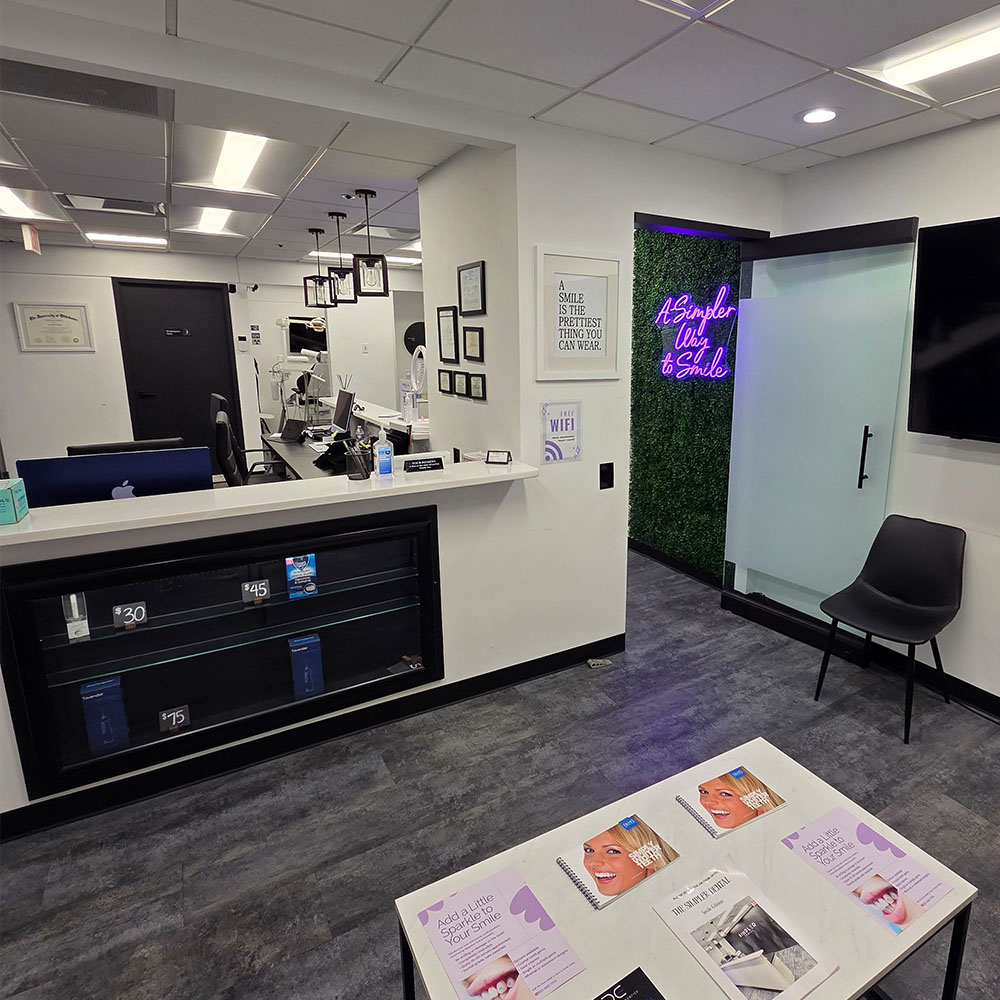
Simpler Dental is currently accepting new patients.
To arrange an appointment, please call our office. New patients may reach us at (202) 221-4689, and existing patients at (202) 545-7774. You may also complete the form below and a member of our team will contact you to confirm a time. If you provide your insurance details in advance, we will verify your coverage prior to your visit.
Our office is located in Unit 820 at 2021 K Street NW, a short walk from the Foggy Bottom-GWU Metro station. Parking is available in the building garage.