At the office of Simpler Dental we focus on preserving natural teeth whenever possible, but there are times when extraction is the safest path forward for a patient's oral and overall health. Tooth removal becomes a considered clinical choice when saving a tooth would leave the mouth vulnerable to infection, continued pain, or damage to neighboring teeth and supporting tissues. Our approach is to explain those reasons clearly and plan treatment that protects your long-term function and comfort.
Decisions about extraction are never rushed. We review your medical history, examine the tooth and surrounding structures, and use diagnostic imaging to see what can't be observed with the naked eye. When extraction is recommended, we’ll explain why it’s needed, what the procedure will involve, and how that choice fits into a broader plan for restoring or maintaining your bite and smile.
Patients often worry about the experience and the recovery. We take time to answer questions, discuss pain control, and ensure you understand the next steps, including whether and when tooth replacement will be necessary to protect chewing function and jawbone health.
Permanent teeth that are too damaged to restore
When decay or trauma destroys most of a tooth’s structure, there may not be enough sound material left to support a crown or filling. At that point, continued treatment of a failing tooth can put surrounding teeth and tissues at risk. Extracting a non-restorable tooth can stop the spread of infection and pave the way for an appropriate replacement.
Teeth with extensive fractures or root damage
Cracks that extend below the gumline or root fractures can make a tooth unpredictable and painful. If the injury compromises the tooth’s long-term prognosis, removal may be the most reliable option to relieve symptoms and prevent future complications.
Advanced periodontal disease
Severe gum disease progressively destroys the bone and soft tissues that anchor teeth. When support is lost and a tooth becomes mobile, extraction is sometimes necessary to remove an unsalvageable source of infection and to protect adjacent teeth and overall oral health.
Impacted or problematic wisdom teeth
Third molars often lack the space to erupt normally, leading to impaction, infection, or damage to neighboring teeth. Removing poorly positioned wisdom teeth can prevent recurrent pain, cysts, and crowding that may affect the rest of the mouth.
Crowding that interferes with orthodontic treatment
In some orthodontic plans, removing one or more permanent teeth creates the space needed to align the remaining teeth into a stable, functional bite. Extractions for orthodontic reasons are planned carefully to preserve facial balance and chewing efficiency.

Preparation for an extraction begins with a thorough review of your medical and dental histories. Tell us about any medications, medical devices, or conditions such as diabetes, heart disease, or bleeding disorders, because these can influence the procedure and follow-up care. If you use blood thinners or have recent medical events, we coordinate with your physician when necessary to ensure safe treatment.
Imaging plays an important role in planning. Digital radiographs and, when indicated, 3D CBCT scans let us assess root shape, proximity to nerves or sinuses, and bone quality. That information determines whether an extraction is likely to be straightforward or if a surgical approach will be required, and it guides decisions about anesthesia to keep you comfortable and minimize risk.
We’ll also review pre-operative instructions so you arrive prepared. Depending on your case, that might include guidance on eating beforehand, arrangements for getting home, or adjustments to medication schedules. Clear communication helps the procedure go smoothly and reduces the chance of unexpected complications.
Most extractions are straightforward when the tooth is fully visible in the mouth and the roots are uncomplicated. These simple removals are performed under local anesthesia: once the area is numb, the dentist loosens the tooth and removes it with forceps. The process is efficient, and most people experience only brief discomfort afterward that is manageable with routine pain control.
Some cases require a surgical approach. When a tooth is broken at the gumline, fused to bone, impacted, or if roots have unusual shapes, minor surgical techniques are used. This may involve a small incision in the gum, conservative removal of bone, and sectioning the tooth to remove it in pieces. Surgical extractions are performed with the same attention to anesthesia and sterile technique to ensure safety and comfort.
For patients who feel anxious about dental procedures, we explain each step before it happens and work at a pace that keeps you comfortable. We’ll discuss your options, their benefits, and any preparation needed so you know what to expect before, during, and after the appointment.
When a tooth is fully erupted and the root anatomy is favorable, the procedure is typically quick: local anesthetic, gentle manipulation, and extraction. Healing follows a predictable course for most patients, and we provide specific aftercare instructions to support clot formation and tissue regeneration.
Because every mouth is different, we still evaluate each simple removal individually to anticipate any challenges. Even straightforward extractions can be influenced by the tooth’s position, neighboring restorations, or a patient’s medical background, and we adjust our approach accordingly.
Surgical extractions require more planning and precision. Small incisions and targeted bone removal create the access needed to remove impacted or broken teeth safely. Sutures may be placed to help the tissue heal, and follow-up appointments are scheduled when appropriate to monitor recovery.
We work with oral surgeons when a case is beyond the scope of an in-office procedure. Referrals are made to ensure you receive the best, most predictable care when advanced surgical expertise or hospital settings are advisable.

How you care for the extraction site in the hours and days after the procedure has a major impact on comfort and healing. We provide individualized instructions, but certain principles apply broadly: protect the clot that forms in the socket, follow medication directions, and avoid activities that raise blood pressure or dislodge the clot.
Swelling is a normal inflammatory response that peaks within the first 48 hours and then gradually subsides. Applying ice to the cheek for short intervals during the first day helps control swelling, while short periods of rest and elevating the head can make you more comfortable. Most patients find that symptoms improve each day when aftercare recommendations are followed.
If you notice increasing pain, heavy bleeding beyond the first day, a persistent bad taste, or any unusual symptoms, contact the practice so we can evaluate your healing and advise on any necessary treatment. Prompt attention prevents minor issues from becoming more significant problems.
Maintain gentle pressure with gauze
Bite on the provided gauze as instructed to help a stable clot form. Replace the gauze after the first hour as needed; light oozing for up to 24 hours can be normal, but persistent heavy bleeding should be reported.
Protect numb tissues
Avoid chewing or touching your lips, cheeks, or tongue until the local anesthetic has fully worn off to prevent accidental bites or injuries.
Use medications as directed
If antibiotics or pain medications are prescribed, take them exactly as instructed. Over-the-counter pain relievers are often effective for routine discomfort; follow dosage guidance and check with your provider if you have medical concerns.
Avoid disturbing the clot
Do not rinse vigorously, spit forcefully, or use a straw for the first day or two. These actions can dislodge the clot and lead to painful dry socket.
Control swelling with ice
Apply an ice pack to the outside of the face in short intervals on the first day to reduce swelling, then switch to warm compresses after 48 hours if helpful.
Avoid smoking and tobacco
Smoking interferes with clot formation and healing. Refrain from tobacco use for at least a week after extraction to lower the risk of complications.
Choose gentle, nourishing foods
Soft, cool foods are best in the first days after extraction. Avoid very hot, spicy, or carbonated beverages until healing has progressed.
Keep the mouth clean with care
Brush the rest of your teeth normally but be gentle around the surgical area. After the first day, light rinsing with a lukewarm saltwater solution can help keep the site clean; do so without forceful spitting.
Attend any recommended follow-up
If sutures were placed or if a complex extraction was performed, return for the scheduled appointment so healing can be monitored and any stitches removed as needed.
If you experience new or worsening symptoms (such as severe pain not controlled by medication, fever, or prolonged swelling), contact the practice for advice and next steps.
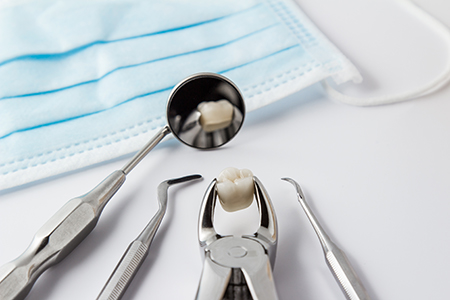
Removing a tooth can solve an immediate problem, but it also raises questions about preserving chewing function and preventing future changes in the bite. Leaving a gap untreated can allow adjacent teeth to drift, increase wear on opposite teeth, and contribute to bone loss in the extraction site over time. For these reasons, we discuss replacement options as part of the overall treatment plan.
Replacement choices commonly include removable partial dentures, fixed bridges, and dental implants. Each option has clinical indications, benefits, and considerations related to durability, oral hygiene, and the health of surrounding teeth and bone. We’ll explain how the alternatives correspond to your needs, anatomy, and long-term goals so you can make an informed decision.
When a dental implant is appropriate, planning often begins at the time of extraction to preserve bone and position the site for future restoration. In other cases, healing is allowed to proceed before restorative work begins. Whatever the timeline, the goal is to restore function, maintain facial support, and achieve a comfortable, reliable result.
Extractions are a common and often straightforward part of dental care, but they require careful planning and attentive aftercare to ensure the best outcome. We prioritize clear communication, safe procedures, and follow-up so patients understand why extraction is recommended and how recovery will proceed. For complex cases, we coordinate with specialists to deliver the appropriate level of care.
If you have questions about extractions, tooth replacement, or how a specific situation applies to you, please contact us for more information. Our team is available to discuss your needs and help you choose the path that protects your oral health and quality of life.


Extractions are recommended when a tooth cannot be reliably restored or when it poses a risk of infection, persistent pain, or damage to neighboring teeth and supporting tissues. At Simpler Dental we prioritize preserving natural teeth, but removal becomes the healthiest option in certain clinical situations. We base the recommendation on a clinical exam and diagnostic imaging to balance long-term function against ongoing risk.
Common reasons for extraction include irreparable decay, advanced periodontal disease, severe fractures, impacted third molars, and crowding that interferes with orthodontic goals. Removing an unsalvageable tooth can halt the spread of infection and prepare the area for a planned restoration. We will explain how extraction fits into a broader treatment plan and the steps needed to protect chewing function and jawbone health.
The decision begins with a thorough evaluation of the tooth, surrounding bone, and the patient’s overall health. We review medical history, perform a clinical exam, and use digital radiography or CBCT when needed to assess root anatomy, bone support, and proximity to vital structures. When a tooth can be predictably restored to long-term function, conservative treatment is usually preferred.
Extraction is recommended when restoring the tooth would leave the mouth vulnerable to recurrent infection, continued pain, or harm to adjacent teeth. We also consider the patient’s preferences, restorative goals, and the effect on bite and facial support. If removal is advised, we discuss replacement options and the timing required to preserve bone and occlusion.
An extraction appointment typically begins with a review of your medical history and confirmation of the treatment plan. Local anesthesia is used to numb the area thoroughly, and we check in with you throughout the procedure to ensure your comfort. Simple extractions are usually efficient, while more complex cases may require a surgical approach with small incisions or bone removal.
Throughout the procedure we monitor comfort and use sterile technique to minimize risk. After the tooth is removed we place gauze to support clot formation and provide verbal and written aftercare instructions. A follow-up visit is scheduled when sutures were placed or when clinical review is advisable to confirm healing.
A simple extraction is performed on a tooth that is fully visible in the mouth and has uncomplicated root anatomy. It is completed under local anesthesia by gently loosening the tooth and removing it with forceps, and most patients experience predictable, short-lived discomfort afterward. Healing is generally straightforward when the tooth is intact and the surrounding bone is healthy.
Surgical extractions address teeth that are impacted, broken at the gumline, fused to bone, or have unusual root shapes. These procedures may involve a small incision, conservative removal of bone, and sectioning the tooth so it can be removed in pieces, and sutures may be placed to aid healing. When cases require advanced surgical skill or inpatient care we coordinate referrals to an oral surgeon to ensure the best outcome.
Preparation starts with a complete review of your medical and dental histories so we can identify conditions that affect treatment. Tell us about any medications, recent surgeries, cardiac devices, bleeding disorders, or chronic conditions such as diabetes, because these factors may influence anesthesia choices and post-op care. If you take blood thinners or have had recent medical events, we may coordinate with your physician to optimize safety.
Before your appointment we provide pre-operative instructions that may include guidance on eating beforehand and arrangements for getting home comfortably. We also advise about medication timing and any temporary adjustments only after consulting with your prescribing clinician. Clear communication before the appointment helps the procedure proceed smoothly and reduces the risk of unexpected complications.
Pain control typically begins with local anesthesia to numb the treatment area and is often sufficient for simple extractions. For patients with anxiety or for more complex procedures we take additional time to explain each step, work at a pace you set, and ensure the area is thoroughly numb before we begin. The approach we take depends on the patient’s health, the complexity of the extraction, and a discussion of risks and benefits.
Following the procedure we recommend an appropriate pain-management plan tailored to the expected level of discomfort and your medical history. Over-the-counter analgesics are often effective for routine pain, and prescription medications are used when necessary under careful instructions. We also address infection control with antibiotic therapy only when clinically indicated to reduce the risk of postoperative infection.
Proper postoperative care promotes clot stability and reduces the risk of complications. Bite gently on the provided gauze to control bleeding and replace it as directed; avoid rinsing vigorously, spitting forcefully, or using a straw for the first day or two to protect the clot. Apply ice intermittently during the first 24 hours to manage swelling and then switch to warm compresses after 48 hours if needed.
Eating soft, cool foods and avoiding smoking will support healing, and gentle oral hygiene around the surgical area helps keep the site clean once initial bleeding has subsided. Brush the other teeth normally and begin light saltwater rinses after 24 hours if recommended, using only gentle motions. Attend any scheduled follow-up so we can monitor healing and remove sutures when appropriate.
Most extractions heal without problems, but some complications can occur and warrant prompt attention. Persistent or worsening pain after the first few days, heavy bleeding that does not respond to pressure, fever, or a foul taste or odor can signal infection or a dry socket and should be evaluated. Numbness that persists beyond the expected timeframe or increasing swelling and difficulty breathing are less common but require immediate contact with the practice.
If you experience any unexpected symptoms, call us so we can assess your condition and recommend next steps. Early evaluation allows us to treat minor issues promptly and avoid more significant problems. We provide clear instructions on when to seek urgent care and will coordinate additional treatment or referrals when necessary.
Leaving a gap can allow adjacent teeth to shift, increase wear on opposing teeth, and lead to bone loss at the extraction site over time, which may alter your bite and facial support. To protect chewing function and long-term oral health we discuss replacement choices as part of the treatment plan rather than as an afterthought. Replacement options commonly include removable partial dentures, fixed bridges, and dental implants, each with different advantages for durability, hygiene, and bone preservation.
When a dental implant is the preferred solution, planning often begins at the time of extraction to preserve bone and position the site for an optimal restoration. In other cases, we allow healing before placing a restoration or grafting the socket to maintain volume. Your clinician will explain how each option aligns with your anatomy, functional needs, and long-term goals so you can make an informed choice.
Yes, extractions can be coordinated with restorative treatment to achieve the best functional and esthetic outcomes. In suitable cases immediate implant placement or socket preservation techniques are used to maintain bone and reduce treatment time, while other situations benefit from a healing period before implant surgery or bridgework. Advanced imaging such as CBCT helps determine timing, implant angulation, and whether bone grafting is needed to support a future restoration.
Comprehensive planning ensures the extraction and restorative phases work together to preserve occlusion and facial support, and we coordinate care across specialties when complex reconstruction is required. Your dentist will outline the recommended timeline and the steps to prepare the site for a stable, long-lasting restoration. If you have questions about sequencing or the role of implants in your care, we can discuss personalized options and next steps.
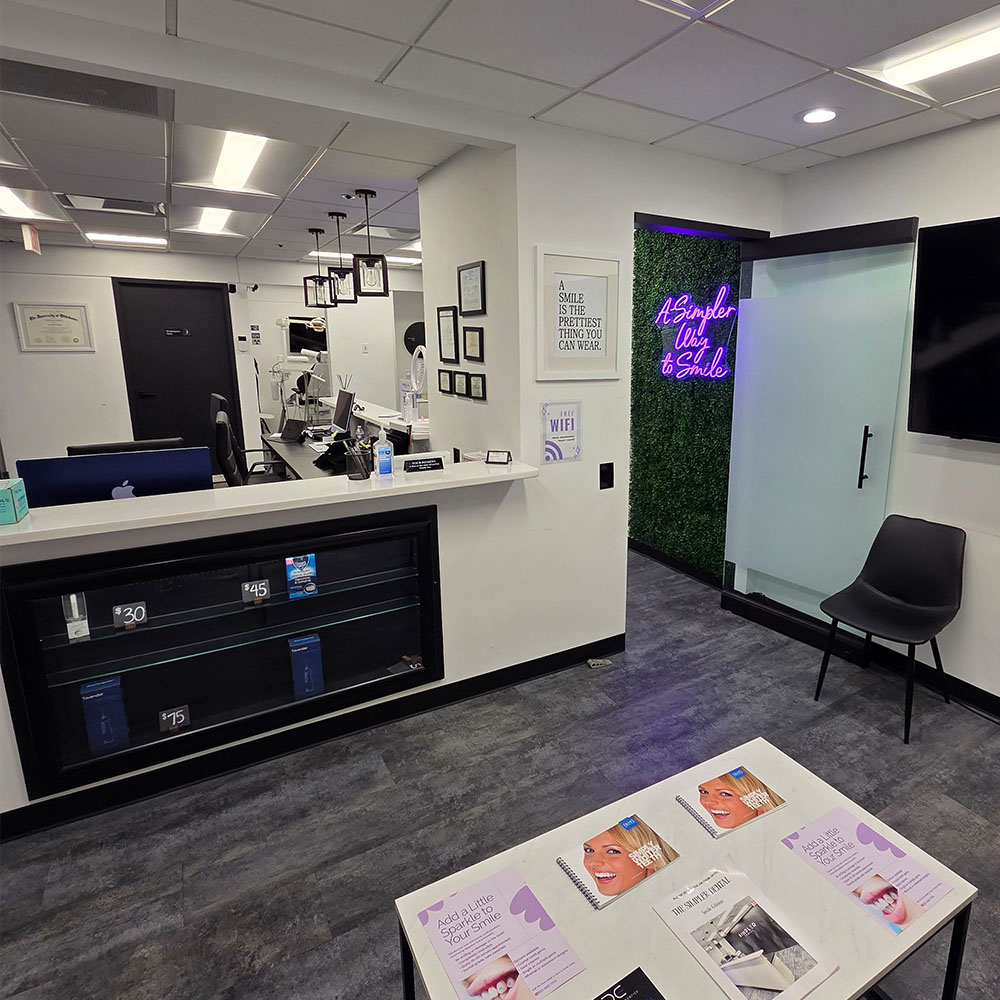
Simpler Dental is currently accepting new patients.
To arrange an appointment, please call our office. New patients may reach us at (202) 221-4689, and existing patients at (202) 545-7774. You may also complete the form below and a member of our team will contact you to confirm a time. If you provide your insurance details in advance, we will verify your coverage prior to your visit.
Our office is located in Unit 820 at 2021 K Street NW, a short walk from the Foggy Bottom-GWU Metro station. Parking is available in the building garage.