Advances in dental materials, digital planning, and prosthetic design have transformed what dentures can do. Today’s removable restorations are lighter, more lifelike, and more comfortable than older appliances, and they can restore not only your smile but your ability to eat and speak with confidence. While fixed solutions such as dental implants and bridgework remain excellent options for many patients, removable dentures continue to be a dependable choice for rebuilding a complete mouth.
Our practice combines modern techniques with careful attention to each patient's needs. We design dentures using high-quality materials and a stepwise approach that balances function, aesthetics, and long-term tissue health. When appropriate, we also coordinate implant support or attachments to improve stability and overall comfort.
Whether you are replacing a few missing teeth or restoring an entire dental arch, a well-made denture can be an effective part of a healthy, functional smile. Simpler Dental approaches every denture case with individualized planning so the final result fits your mouth, suits your lifestyle, and respects your expectations.
Losing teeth affects more than appearance; it alters how the mouth functions and how the face ages. Missing teeth change how the jaw meets and chews, which can create uneven wear on remaining teeth, difficulty chewing certain foods, and gradual shifting of teeth into the empty spaces. These functional changes can lead to further dental problems if not addressed.
In addition to functional impacts, tooth loss can accelerate bone and soft-tissue changes. Without the stimulus of a tooth root or implant, underlying bone can slowly resorb, which over time changes facial support and makes a smile look narrower or collapsed. Restoring missing teeth helps preserve facial contours and can slow those progressive changes.
There are also emotional and social consequences to consider. Difficulty speaking clearly or worrying about gaps in a smile can affect confidence and day-to-day interactions. Replacing missing teeth with an appropriate prosthesis can restore comfort, normal function, and the freedom to eat and speak without hesitation.
Dentures are removable prosthetic devices that replace lost teeth and the supporting structures around them. They consist of artificial teeth set into a base that rests on the gums; the base is shaped to distribute chewing forces evenly and to support the lips and cheeks for a natural appearance. A successful denture combines mechanical fit with careful attention to bite, tooth position, and facial proportions.
Unlike permanent bridges or individual implants, dentures are designed to be removed for cleaning and maintenance. This removability makes it easier to care for the underlying tissues and any remaining natural teeth. At the same time, modern denture materials and design techniques aim to minimize bulk, improve comfort, and create a more realistic look and feel.
When additional stability is needed, dentures can be adapted to work with existing teeth or dental implants. Attachments, locator systems, and overdenture designs can significantly improve retention and chewing efficiency while still providing the hygiene advantages of a removable appliance.
Choosing between a full denture, partial denture, or an implant-retained prosthesis depends on the number of missing teeth, the condition of remaining teeth, the quality of the jawbone, and the patient’s daily needs. Careful evaluation helps determine which approach will deliver the most predictable function and the best long-term outcome.
Full (complete) dentures replace all teeth in the upper or lower arch. Their design varies depending on whether they are made after healing is complete or fitted immediately after extractions. Both approaches have distinct advantages: conventional dentures often provide a more stable long-term fit after tissues have healed, while immediate dentures let a patient leave the office with teeth in place and then be adjusted during the healing process.
Conventional complete dentures are made once extractions have healed and the tissues are stable, which allows for precise impressions and a snug fit. Immediate dentures are fabricated in advance and positioned at the time of tooth removal so the patient is never without replacement teeth; however, they typically require subsequent relines or adjustments as the jaw and gums remodel.
Overdentures and added support
Overdentures are complete dentures that receive added support from remaining tooth roots or small implants. By preserving roots or placing implants strategically, an overdenture can gain extra retention and help limit bone loss compared with a conventional removable denture alone.
Implant-supported removable dentures
Implant-supported dentures attach to a series of implants and their attachments. This approach provides greatly improved stability and chewing function, especially for lower-arch restorations where conventional dentures often have trouble staying in place.
Partial dentures are used when some natural teeth remain. They restore missing teeth while stabilizing the neighboring teeth and preventing unwanted drifting. Partial frameworks can be crafted from a range of materials, from traditional cast metal to flexible resins or newer hybrid options, based on comfort, durability, and aesthetic goals.
Well-designed partial dentures not only replace teeth visually but also reestablish proper chewing relationships and support for the bite. When combined with routine dental care for the remaining teeth, partial dentures can be an efficient and conservative solution for many people.
Throughout the planning process, we evaluate the health of any remaining teeth and the surrounding bone. If pre-prosthetic procedures are needed to improve fit or long-term comfort, we will discuss them and include them in the treatment plan so the final denture performs reliably.

Crafting a denture is both a technical and artistic process. Accurate impressions, careful occlusal (bite) records, and thoughtful tooth selection combine to produce an appliance that looks natural and functions well. Digital tools and laboratory techniques allow for more consistent results than ever before.
At the heart of the process is communication: we listen to what you want to change about your smile and explain the steps involved so you know what to expect. Shade, tooth shape, lip support, and the way teeth meet are all considered during try-in appointments so adjustments can be made before the denture is finalized.
When implants are part of the plan, 3D imaging and guided placement help determine optimal implant positions for retention and load distribution. For removable prostheses supported by natural teeth, precise attachments and frame work are chosen to balance comfort with long-term stability.

Adjusting to a new denture is a process that typically takes a few days to several weeks. Early visits are normal as small pressure points or bite issues are identified and relieved. Wearing your denture as directed and returning for adjustments helps us refine the fit until it feels comfortable and secure.
Getting comfortable with speech and chewing
Speaking and eating may feel different at first. Practicing common words aloud and starting with softer foods makes the transition smoother. Over time, the muscles of the mouth adapt and routine activities return to normal.
Hygiene and nightly care
Cleaning dentures daily prevents stains and bacterial buildup. Rinsing after meals, brushing the prosthesis gently with a denture brush, and soaking overnight in water or a recommended cleaner will preserve appearance and function. It’s also important to care for any remaining natural teeth and the gums beneath the prosthesis.
When extra retention is needed
Some dentures benefit from adhesives or from being attached to implants or special attachments. These options can be discussed if retention is a concern; the goal is always to provide a stable, comfortable outcome that supports normal eating and speaking.
Ongoing maintenance and relines
As jawbone and soft tissues change over time, a denture that once fit well can become less comfortable. Periodic exams let us assess fit and recommend adjustments or relines to restore close contact between the denture and the supporting tissues.
Once your denture is in place, follow-up care is essential. Regular dental visits let us monitor oral health, evaluate the condition of any remaining teeth, and check the fit and function of the prosthesis. These visits help maximize the life of the denture and maintain overall oral health.

In summary, well-made dentures remain a reliable way to restore missing teeth and improve daily function and appearance. Whether you need a partial, a complete denture, or a denture that works with implants, careful planning and expert fabrication are the keys to success. For more information or to discuss whether a denture is a good fit for you, please contact us for assistance.


Dentures are removable prosthetic appliances that replace missing teeth and the supporting structures around them. They consist of artificial teeth set into a base that rests on the gums and is shaped to distribute chewing forces and support facial tissues. A successful denture relies on precise fit, balanced bite relationships, and proper tooth positioning to restore function and a natural appearance.
Modern materials and design techniques reduce bulk and improve realism, making contemporary dentures lighter and more lifelike than older appliances. Because they are removable, dentures also allow easier hygiene of the prosthesis and the underlying tissues. Regular monitoring and adjustments help maintain comfort and function over time.
There are several denture styles designed to meet different clinical needs, including full (complete) dentures, partial dentures, and immediate dentures. Complete dentures replace all teeth in an arch, partial dentures fill gaps when some natural teeth remain, and immediate dentures are fitted at the time of extractions so the patient is not without teeth during healing. Each type has distinct planning considerations related to fit, function, and long-term tissue changes.
Additional options include overdentures that use retained tooth roots and implant-retained removable dentures that attach to implants or locator systems for improved stability. Material choices range from traditional acrylics to hybrid frameworks and flexible resins, and selection depends on comfort, durability, and aesthetic goals. Your dentist will recommend the most appropriate style after a comprehensive evaluation.
Candidate suitability depends on the number of missing teeth, the condition of any remaining teeth, the quality of the jawbone, and overall oral health. Patients with extensive tooth loss, unstable remaining teeth, or those who prefer a removable solution are commonly evaluated for full or partial dentures. A careful clinical exam and radiographic assessment identify factors that influence fit, retention, and long-term success.
General health, manual dexterity, and expectations about appearance and function also affect candidacy and the choice of prosthesis. When bone volume or tooth support is limited, adjunctive measures such as implants or overdenture approaches can improve outcomes. Your dentist will review treatment alternatives and create a plan that aligns with your oral health goals.
The denture process combines clinical assessment, accurate impressions, bite records, tooth selection, and laboratory craftsmanship to produce a predictable result. Digital tools such as intraoral scans and 3D imaging can enhance planning and improve communication with the dental laboratory, while try-in appointments allow aesthetic and occlusal adjustments before final processing. Attention to lip support, tooth shade, and facial proportions helps the final denture look natural and harmonize with the patient’s features.
Laboratory steps include mounting models on an articulator, arranging teeth to the measured bite, and finishing the base material for proper contours and polish. When implants are part of the plan, guided placement and careful attachment selection ensure optimal retention and load distribution. Clear communication between the patient, dentist, and lab technician is central to a successful outcome.
Implant-retained dentures use dental implants as anchors and attachments to increase stability and chewing efficiency compared with conventional removable dentures. Attachments such as locator systems or bars connect the denture to implants, reducing movement and improving patient confidence while speaking and eating. This approach is particularly beneficial for lower-arch restorations, where conventional dentures often struggle with retention.
Overdentures that retain natural tooth roots provide similar advantages by preserving bone and improving support for the prosthesis. Implant support does not eliminate the need for hygiene and follow-up care, but it can extend function and comfort while helping to maintain facial contours. Treatment planning includes evaluation of bone volume and overall health to determine the number and placement of implants needed.
Daily cleaning is essential to prevent staining, bacterial buildup, and unpleasant odors on a denture. Rinse the prosthesis after meals, brush it gently with a denture brush and nonabrasive cleanser, and soak it overnight in water or a recommended denture solution to maintain shape and cleanliness. Avoid hot water because it can warp acrylic bases, and handle the denture carefully to prevent dropping and damage.
It is equally important to care for any remaining natural teeth and the gums beneath the denture by brushing and flossing as directed. Regular dental checkups allow your clinician to inspect tissue health and evaluate the condition of the prosthesis. If you use adhesives, follow product instructions and discuss long-term retention options with your dentist.
Adjustment to new dentures typically takes several days to a few weeks as the muscles of the mouth learn to accommodate the prosthesis. Early on, you may notice increased saliva production, mild soreness, and changes in speech and chewing that gradually improve with practice and time. Eating soft foods and practicing difficult words aloud can speed adaptation while minimizing frustration.
Follow-up visits are normal during the adjustment phase to address pressure points, refine the bite, and improve comfort. Dentists routinely make small adjustments to relieve sore spots and optimize function until the denture feels stable. Persistent problems should be evaluated promptly to prevent tissue damage and to restore proper fit.
Because jawbone and soft tissues remodel over time, a denture that initially fits well may loosen or develop areas of poor contact. Periodic relines restore close adaptation between the base and the gums, improving comfort and function without replacing the entire prosthesis. Repairs for fractures, tooth wear, or broken attachments can be performed in the dental office or sent to the laboratory as needed.
Complete replacement is generally considered when wear, extensive staining, repeated repairs, or persistent fit problems compromise function or appearance. Regular dental examinations let your clinician monitor tissue changes, assess occlusion, and recommend maintenance before significant issues develop. Staying proactive with follow-up care maximizes the lifespan of a denture and preserves oral health.
Well-designed dentures support the lips and cheeks, helping to restore facial contours that can be lost with tooth loss. By replacing tooth height and bite relationships, dentures can reduce functional strain on remaining teeth and improve chewing efficiency, which supports overall oral health. However, conventional removable dentures do not prevent bone resorption in the same way that implants or retained roots can, so long-term tissue changes should be anticipated.
Overdentures and implant-retained options can help preserve bone and provide improved facial support compared with unsupported removable prostheses. Good hygiene, routine dental visits, and timely maintenance help prevent denture-related irritation or tissue problems. Discussing expectations and long-term goals with your dentist ensures choices that balance appearance, function, and tissue health.
Our approach emphasizes individualized planning, clear communication, and the use of modern diagnostic tools to achieve predictable, comfortable results. Dr. Himanshu Mehrotra combines digital imaging, precise records, and careful laboratory coordination to tailor each denture to the patient’s anatomy, function, and aesthetic preferences. Try-in appointments and staged evaluations allow adjustments before final delivery so the prosthesis meets functional and cosmetic goals.
Simpler Dental provides ongoing follow-up to monitor fit, perform relines or repairs, and address changes in oral health over time. Regular checkups ensure the health of any remaining teeth and the tissues that support the denture, and they allow the team to recommend implant or attachment options when increased retention would benefit the patient. Continuous care helps maintain comfort, function, and a confident smile.
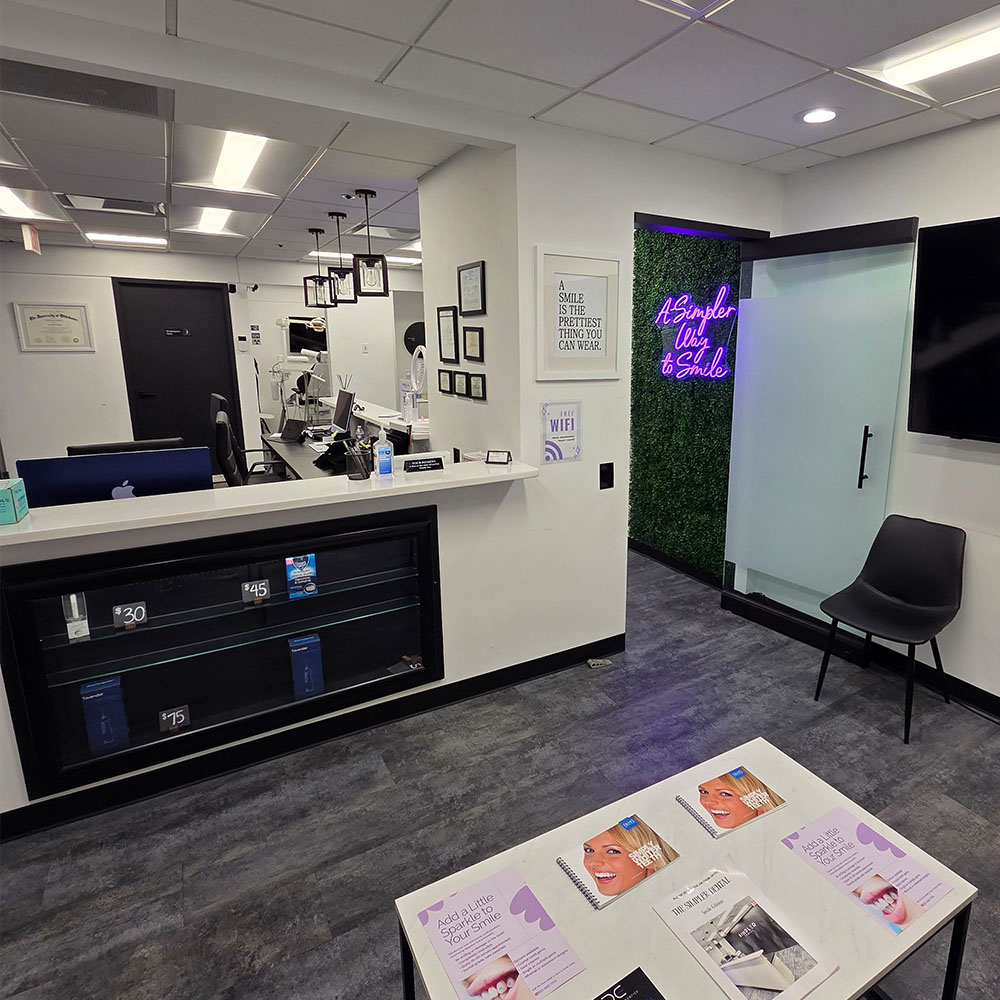
Simpler Dental is currently accepting new patients.
To arrange an appointment, please call our office. New patients may reach us at (202) 221-4689, and existing patients at (202) 545-7774. You may also complete the form below and a member of our team will contact you to confirm a time. If you provide your insurance details in advance, we will verify your coverage prior to your visit.
Our office is located in Unit 820 at 2021 K Street NW, a short walk from the Foggy Bottom-GWU Metro station. Parking is available in the building garage.