When a cavity or minor fracture affects a tooth, a composite filling lets your dentist restore both the tooth’s strength and its appearance. Composite materials are resin-based, tinted to match your enamel, and designed to blend invisibly with surrounding teeth. Because they are shaped directly inside the mouth, composite fillings can recreate natural contours and maintain a pleasing smile while protecting the tooth from further decay.
These restorations are commonly used for front and back teeth when decay is small to moderate. The material adheres to the tooth surface and can be sculpted to restore proper anatomy and contact with neighboring teeth. For many patients, composites provide an attractive, conservative alternative to older metal restorations without sacrificing durability.
Choosing a composite filling is often driven by a desire to preserve tooth structure and avoid visible metal. The technique is minimally invasive compared with some other options, and because the filling bonds to the remaining tooth, it can help reinforce weakened areas rather than simply filling an empty space.
Tooth-colored restorations offer several advantages beyond their aesthetic appeal. The bonding process creates a tight seal that helps prevent bacteria from infiltrating margins, and bonding often allows the clinician to remove less healthy tooth tissue during preparation. Conserving natural tooth structure when possible is important for long-term tooth health and may reduce the likelihood of needing more extensive treatment later.
Composite materials are free of metal and mercury, which is one reason many patients prefer them. They are also versatile: used for small repairs, cosmetic reshaping, and as a direct restorative material that can be repaired in the mouth when minor wear occurs. Modern composites are engineered for strength and polishability, so they maintain a lifelike surface over time.
Because composites are placed in layers and cured with light, the clinician can precisely control shape and contact points, which helps maintain a comfortable bite and a natural appearance. For teeth that receive heavy chewing forces or large restorations, other options such as inlays, onlays, or crowns may be recommended, but for many cavities, composites are a first-line, tooth-preserving choice.

Most fillings are completed in a single visit. Your appointment begins with an exam and any necessary X-rays to confirm the extent of decay. Before treatment, the area is numbed with local anesthetic to minimize discomfort. If you feel anxious about dental visits, let us know; we will explain each step beforehand and work at a pace that suits you.
Once the tooth is comfortable, the decayed or damaged portion is removed using precise instruments. Because composite bonds to the tooth, the dentist typically removes only the compromised tissue, leaving healthy structure intact. The cavity is then cleaned, and a bonding agent is applied so the composite will adhere securely to enamel and dentin.
Composite resin is placed in small increments, each layer shaped and hardened with a curing light. This incremental approach reduces shrinkage and improves strength. After the final layer is placed, the dentist sculpts the restoration to restore proper form and contacts, checks your bite, and polishes the surface for a smooth, natural finish. Throughout the procedure, clinicians focus on comfort and communication so you understand each step.
After treatment you may have temporary numbness from the local anesthetic; avoid chewing until normal sensation returns to prevent accidentally biting your lips or tongue. Mild sensitivity to temperature or pressure is common for a few days as the tooth adjusts; this typically subsides. If sensitivity persists beyond a couple of weeks, or if you feel pain when biting, contact the practice so the filling can be evaluated and adjusted if needed.
Long-term success depends largely on routine home care and regular dental checkups. Brushing twice daily with a fluoride toothpaste, flossing daily, and attending periodic professional examinations and cleanings will help keep both the restored tooth and the rest of your mouth healthy. During routine visits, your dentist will check fillings for wear, cracks, or gaps where decay could begin again.
Because composites are repairable in many cases, small chips or marginal staining can sometimes be corrected without removing the entire restoration. Prompt attention to changes in comfort, appearance, or chewing function helps prevent minor issues from becoming more complex problems requiring crowns or other procedures.

Fillings are not permanent in every case; they are restorations that can last many years with proper care but may eventually need attention. Signs that a filling may need repair or replacement include persistent sensitivity, pain when biting, visible cracks or gaps at the margin, or new decay around the edge of the restoration. Regular exams and X-rays allow your dentist to monitor restorations and intervene early when changes are detected.
In some situations a larger restoration such as an inlay, onlay, or crown will offer better long-term protection than another direct filling. These options are chosen when a tooth has lost significant structure, when a previous filling has failed repeatedly, or when the tooth needs reinforcement to withstand chewing forces. Your clinician will recommend the most conservative, durable approach tailored to the tooth’s condition and your overall oral health goals.
Prevention remains the best strategy: limiting sugary snacks, using fluoride, maintaining excellent brushing and flossing habits, and keeping regular dental visits all reduce the chance of future cavities and extend the life of your restorations. If you have questions about the condition of an existing filling or which restorative option is most appropriate, your dentist can review the options and explain the expected outcomes.
Our goal is to restore teeth in a way that looks natural, fits comfortably, and supports long-term oral health. If you have questions about fillings or would like to discuss treatment options, our team at Simpler Dental is ready to help.
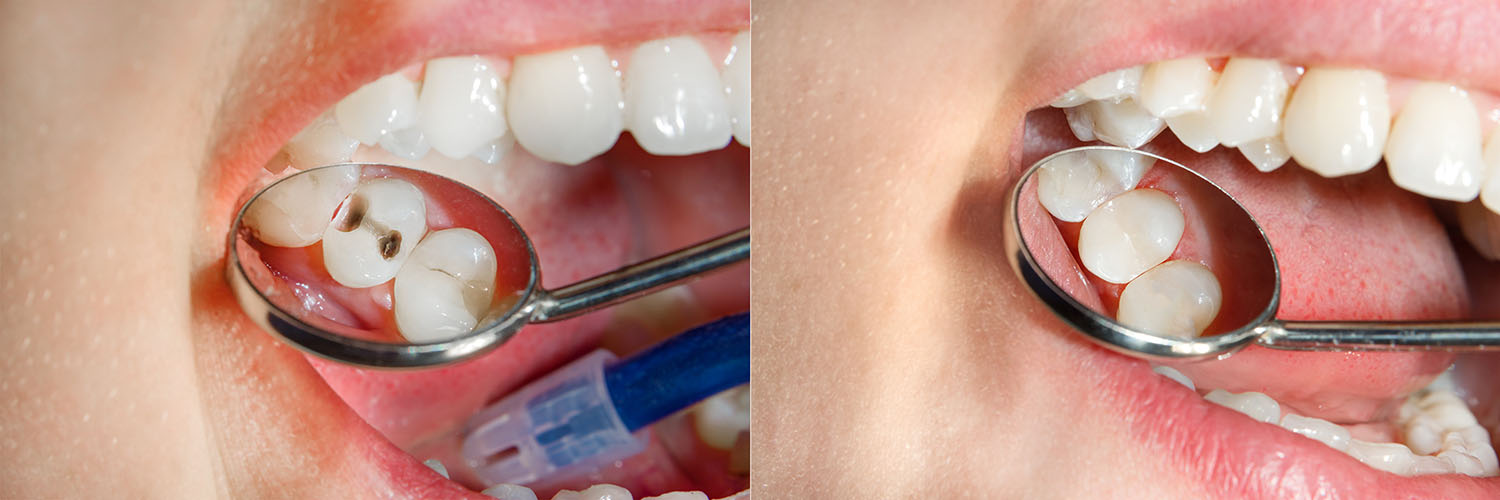
In summary, tooth-colored composite fillings offer a conservative, attractive method to treat cavities and minor tooth damage. They preserve more natural tooth structure than many traditional approaches, bond tightly to the tooth for a secure seal, and can often be repaired rather than replaced. For personalized advice about restorative care and to learn whether composite fillings are right for you, please contact us for more information.


Composite, or tooth-colored, fillings are resin-based materials that dentists use to restore teeth affected by decay or minor fractures. They are shaded to match enamel and are placed directly into the cavity where they bond to enamel and dentin. Because composites are sculpted in the mouth, they recreate natural contours and blend with surrounding teeth for an esthetic result.
Compared with older metal (amalgam) restorations, composites conserve more natural tooth structure because bonding allows the clinician to remove only compromised tissue. Composites are free of metal and mercury and can often be repaired rather than completely replaced. For very large restorations or teeth subject to heavy chewing forces, indirect restorations such as inlays, onlays, or crowns may offer greater long-term durability.
Composite fillings are ideal for small to moderate cavities and for repairing minor chips or enamel defects, especially on front teeth where appearance matters. They are also useful when preserving tooth structure is a priority because the bonding process requires less removal of healthy tissue. Because composites can be polished to a lifelike finish, they are commonly chosen for visible areas of the mouth.
However, if a tooth has extensive decay, a large old filling that has failed, or structural damage that compromises function, your dentist may recommend an indirect restoration or crown. The decision depends on the amount of remaining tooth, the location of the tooth, and how much chewing stress it will endure. Your clinician will review the options and recommend the most conservative and durable approach for your situation.
A filling appointment usually starts with an exam and any necessary X-rays to assess the extent of decay and plan the restoration. The tooth and surrounding tissues are numbed with local anesthetic so you should feel minimal or no discomfort during the procedure. If dental anxiety is a concern, let us know beforehand so we can take extra time to keep you relaxed during treatment.
The dentist removes the decayed or damaged tooth structure using precise instruments and then cleans the cavity to prepare it for bonding. A bonding agent is applied so the composite will adhere to enamel and dentin, then the resin is placed in small increments and cured with a light to reduce shrinkage and increase strength. After shaping, checking your bite, and polishing, the tooth is restored to a natural form and function. Clinicians at Simpler Dental prioritize patient comfort and clear communication throughout the procedure.
Local anesthetic is used to numb the area during the procedure, so most patients do not feel pain while the dentist works. Some pressure or vibration may be noticeable from the instruments, but discomfort is usually minimal when anesthesia is effective. If you experience pain at any time, tell your clinician so additional anesthetic or adjustments can be made.
Mild sensitivity to hot, cold or pressure is common for a few days after placement as the tooth adjusts to the restoration and any inflammation resolves. This sensitivity typically diminishes within one to two weeks, but persistent or worsening pain should be evaluated to rule out issues such as high bite, marginal gaps, or deeper tooth problems. Your dentist can make small adjustments or recommend further treatment if necessary.
After a filling, avoid chewing on the treated side until numbness fully wears off to prevent accidentally biting your cheek or tongue. In the short term, stick to softer foods if the tooth feels tender and avoid very hard or sticky items for a few days. If you notice sharp pain with biting or persistent sensitivity, contact your dental office for an evaluation.
Long-term care for a filling is the same as for natural teeth: brush twice daily with fluoride toothpaste, floss daily, and keep regular dental checkups and professional cleanings. During routine visits your dentist will examine restorations for wear, marginal staining, or recurrent decay and recommend repairs or maintenance as needed. Prompt attention to small chips or changes often allows repairs without removing the entire restoration.
Composite fillings can last many years, but their longevity depends on factors such as the size and location of the restoration, the patient's oral hygiene, and chewing habits. Smaller restorations on front teeth and low-stress areas often last longer than large fillings on back teeth that endure heavy chewing forces. Materials and placement technique also influence durability; properly layered and cured composites resist wear and maintain polish better over time.
Oral habits like grinding, chewing ice, or frequent consumption of acidic foods and beverages can shorten the lifespan of any restoration. Regular dental exams and X-rays help detect early changes so repairs can be done before more extensive treatment is needed. When a restoration shows significant wear or recurrent decay, your dentist will suggest the most appropriate replacement or alternative restoration.
A filling may need attention if you notice persistent sensitivity, pain when biting, a rough or uneven surface, or visible cracks or gaps at the margin. New decay around the edge of a filling, discoloration that progresses, or dark lines at the margins are also signs that a restoration should be evaluated. Sometimes fillings chip or become loose, creating spaces where bacteria can enter and cause further decay.
Your dentist will assess the restoration during routine exams and may take X-rays to evaluate areas not visible to the eye. Small chips or marginal defects can often be repaired with additional composite, while larger failures may require an inlay, onlay, or crown for better long-term protection. Early intervention helps preserve remaining tooth structure and can prevent the need for more invasive treatment.
Modern composite resins are metal-free and do not contain mercury, which is a common concern patients express about older amalgam restorations. Composites are engineered from a blend of resin and filler particles to provide strength, polishability, and a lifelike appearance. They are biocompatible for most patients, but if you have specific material sensitivities, discuss them with your dentist so alternatives can be considered.
Safety also depends on proper placement and monitoring; a well-placed composite with a good marginal seal reduces the risk of recurrent decay. Routine dental checkups allow your clinician to inspect restorations and address any signs of wear or breakdown early. If you have questions about the materials used in your care, your dentist can explain the composition and any evidence regarding their performance.
When a tooth has lost significant structure or requires greater reinforcement, indirect restorations such as inlays, onlays, or full crowns are often recommended. Inlays and onlays are fabricated in a dental laboratory or by CAD/CAM milling and then bonded to the tooth to restore larger areas while conserving as much structure as possible. Crowns encapsulate the entire visible portion of the tooth and provide the highest level of protection for severely weakened teeth.
For teeth with extensive damage or when an old filling has repeatedly failed, an indirect restoration can distribute chewing forces more effectively and improve long-term prognosis. Implant-supported restorations or bridges may be considered when a tooth is not salvageable and replacement is needed. Your dentist will review the pros and cons of each option and recommend the most conservative and predictable solution for your situation.
At Simpler Dental, careful treatment planning and current technologies guide how restorations are selected and placed. We use digital imaging and precise shade selection to match composite materials to your natural enamel and to plan restorations that respect tooth anatomy. Layering techniques and proper curing protocols help produce a durable bond and a lifelike surface that polishes well.
Equally important is ongoing monitoring and preventive care; regular exams and cleanings allow the team to catch early changes and perform repairs before larger problems develop. Patient education on home care and lifestyle habits that affect restorations further supports long-term success. If you have questions about a current filling or would like to discuss restorative options, the practice can review your case and explain recommended next steps.
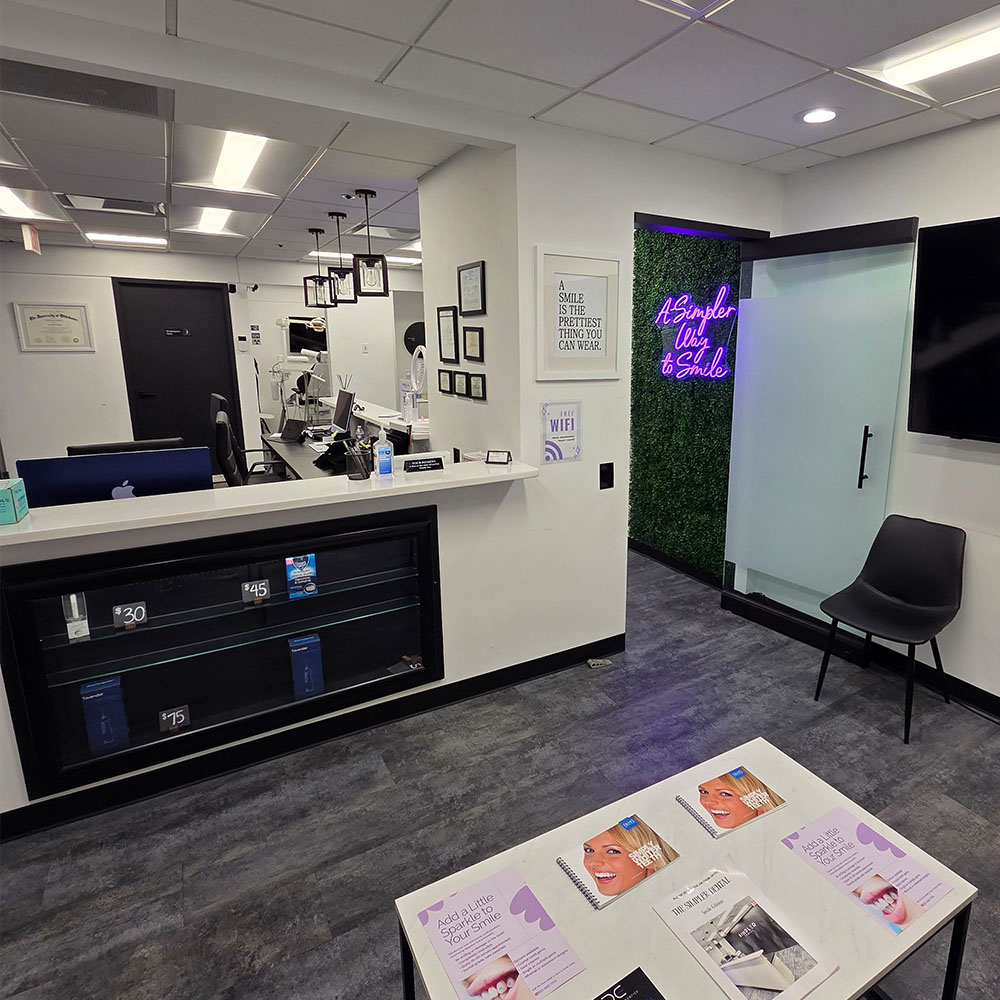
Simpler Dental is currently accepting new patients.
To arrange an appointment, please call our office. New patients may reach us at (202) 221-4689, and existing patients at (202) 545-7774. You may also complete the form below and a member of our team will contact you to confirm a time. If you provide your insurance details in advance, we will verify your coverage prior to your visit.
Our office is located in Unit 820 at 2021 K Street NW, a short walk from the Foggy Bottom-GWU Metro station. Parking is available in the building garage.