A confident smile is more than just an aesthetic asset; it shapes how you engage with the world and how others perceive you. When teeth look healthy and well-aligned, people tend to smile more readily, and that small change can have outsized benefits for social and professional interactions.
If your smile shows signs of staining, chips, uneven spacing, or wear, you’re in good company. Modern cosmetic dentistry offers a wide range of solutions that address both minor imperfections and complex cosmetic concerns. With advances in materials and techniques, many treatments deliver natural-looking results while preserving as much of the original tooth as possible.
Good cosmetic dentistry begins with a conversation. Before any treatment is proposed, an accurate assessment of your goals, facial proportions, and oral health is essential. This collaborative approach ensures the final result complements your features and suits your lifestyle rather than imposing a one-size-fits-all “look.”
At the office of Simpler Dental, treatment planning emphasizes individualized goals and realistic outcomes. We combine visual tools (photos, digital imaging, and intraoral views) with a clear explanation of options so you can make informed decisions about the changes you want to see.
Patient input guides every step. Whether you want subtle refinements or a full smile refresh, a custom plan balances aesthetic aims with functional needs so your smile not only looks better but also works comfortably for years to come.

Not every cosmetic change requires invasive work. For many patients, conservative treatments deliver dramatic visual improvements with minimal removal of tooth structure. Techniques such as direct bonding and tooth-colored composite restorations can correct chips, close small gaps, or hide surface irregularities in a single visit.
Professional whitening remains one of the fastest ways to refresh a smile. Supervised by a dentist, in-office or custom at-home whitening removes stains safely and predictably, improving the overall tone of your teeth without resorting to harsh over-the-counter products.
Porcelain veneers offer a middle ground between conservative and transformative work. Thin, custom-made veneers refine shape, color, and proportion across several teeth while creating a highly natural appearance when matched to your facial profile and adjacent dentition.
When teeth are more than cosmetically flawed (when decay, extensive wear, or missing teeth are present), restorative and cosmetic goals must be addressed together. Full-coverage ceramic crowns rebuild severely damaged teeth while improving color and contour, and modern materials make these restorations both strong and lifelike.
For missing teeth, implant-based solutions provide a stable, natural-feeling option that supports oral health and facial structure. From single implant restorations to implant-supported bridges and overdentures, these treatments recreate the look and function of natural teeth and can prevent the bone loss that follows extraction.
Comprehensive care also includes planning for long-term maintenance. Proper restoration considers occlusion, material longevity, and routine preventive care so your new smile remains healthy and attractive over time.

Contemporary cosmetic dentistry relies on precise diagnostics and materials engineered to mimic natural tooth structure. Digital impressions eliminate messy trays and give technicians highly accurate models for restorations. 3D CBCT imaging and digital radiographs allow more predictable planning for implants and for complex cosmetic cases.
Intraoral cameras and chairside imaging make it easier for patients to see the details the dentist sees, helping align expectations and streamline decisions. Laser dentistry can reduce bleeding and speed healing in soft-tissue procedures, and advanced ceramic materials provide durability without compromising aesthetics.
Choosing the right material and workflow for each case improves fit, shade matching, and longevity. When a treatment plan integrates modern technology with an eye for proportion and color, the result tends to be both pleasing and durable.
Direct bonding uses tooth-colored composite to repair small chips, reshape teeth, or close tiny gaps. Because the material is applied and sculpted directly on the tooth, bonding is often fast and conservative. Composites come in multiple shades so the repaired area blends in smoothly with surrounding enamel.
Tooth-colored composite fillings replace metal restorations and repair decay while preserving the natural look of the tooth. These restorations bond to the remaining structure, restoring strength and function without an obvious metallic appearance when you smile.
Dentist-supervised whitening delivers safer, more controlled results than most over-the-counter options. Whether performed in-office or with custom take-home trays, professional whitening reduces the risk of sensitivity and can produce more uniform brightness across stained or discolored teeth.
Porcelain veneers are ultra-thin shells bonded to the front of teeth to change their shape, size, and color. When crafted by experienced ceramists and matched properly, veneers can resolve multiple aesthetic concerns at once with a highly natural effect.
When a tooth has extensive decay, a large fracture, or significant wear, a full-coverage ceramic crown can restore both function and appearance. Modern crowns are made from durable ceramics that mimic natural translucency and resist staining over time.

A successful cosmetic outcome depends on clear planning and realistic timelines. A typical first visit includes a thorough exam, photographic records, and an explanation of options tailored to your goals. Where appropriate, digital previews and mock-ups help you visualize potential results before any irreversible steps are taken.
Complex cases may require coordination across multiple visits and disciplines, for example, combining restorative work with orthodontic alignment or periodontal care. A clear sequence of procedures protects dental health while achieving the desired aesthetic improvements.
After treatment, routine maintenance and periodic check-ups are critical to preserving both function and beauty. Simple habits like consistent oral hygiene, mindful eating, and regular professional cleanings extend the life of cosmetic restorations and keep your smile looking its best.
Dr. Himanshu Mehrotra and the team focus on care that blends artistic judgment with conservative principles, so improvements look natural and endure with proper care.
Whether you want subtle updates or a complete smile transformation, cosmetic dentistry offers options that can be tailored to your needs. Contact Simpler Dental to learn more or to schedule a consultation. We’re happy to explain which treatments match your goals and how they fit into a safe, long-term plan for a healthier, more confident smile.


Cosmetic dentistry focuses on improving the appearance of teeth, gums and the overall smile while often preserving or restoring function. Treatments range from noninvasive procedures that brighten or reshape enamel to more involved restorations that correct alignment, color and proportion. The primary goal is to create a balanced, natural-looking result that complements a patient’s facial features and oral health.
People with tooth discoloration, chips, uneven spacing, worn teeth or missing teeth commonly seek cosmetic care, but candidates are evaluated on an individual basis. Good candidates have realistic expectations and healthy gums and supporting bone, or they are willing to address underlying oral health needs before aesthetic work. Cosmetic dentistry can be tailored to subtle improvements or comprehensive smile makeovers depending on a patient’s goals and oral condition.
Common cosmetic treatments include professional whitening, tooth-colored composite bonding, porcelain veneers, ceramic crowns and tooth-colored fillings that restore both appearance and function. Implant restorations, implant-supported bridges and overdentures are also part of cosmetic care when missing teeth affect aesthetics and facial support. Orthodontic options such as clear aligners are frequently integrated with restorative work to optimize alignment prior to definitive cosmetic procedures.
Each option addresses specific concerns: whitening targets color, bonding and veneers reshape and conceal defects, crowns rebuild severely damaged teeth, and implants replace missing teeth with a natural feel. Treatment plans often combine multiple modalities to achieve a harmonious result that balances color, shape and proportion. Selecting the appropriate treatment depends on the extent of cosmetic concern and the patient’s long-term oral health needs.
A comprehensive cosmetic plan begins with a detailed examination, discussion of goals and an assessment of oral health, including periodontal and bite evaluation. Visual tools such as intraoral photography, digital imaging and mock-ups help communicate expectations and allow the dentist and patient to refine the desired result before irreversible steps are taken. This collaborative process ensures that aesthetic objectives are compatible with function and long-term stability.
Planning also considers material selection, occlusion and sequencing when multiple procedures are required, for example combining orthodontics, periodontal therapy and restorative work. When implants are part of the plan, three-dimensional imaging and surgical planning guide predictable placement and restoration. At Simpler Dental these elements are coordinated to align clinical goals with a realistic timeline and clinical sequence.
Porcelain veneers are thin ceramic shells bonded to the front surfaces of teeth to change shape, color and proportion with high aesthetic fidelity. They are fabricated in a dental laboratory to achieve precise shade and contour and are well suited for correcting multiple cosmetic issues across a smile. Veneers tend to offer superior stain resistance and longer-term color stability compared with direct composite when properly planned and maintained.
Composite bonding uses tooth-colored resin applied directly to the tooth to repair chips, close small gaps or reshape teeth in a single visit. Bonding is more conservative of tooth structure and can be an excellent choice for minor corrections or when immediate improvement is desired. The choice between veneers and bonding depends on the extent of change needed, desired longevity and the amount of tooth preparation acceptable to the patient and dentist.
Dental implants replace missing tooth roots with a titanium or zirconia post that integrates with bone, providing a stable foundation for crowns, bridges or implant-retained dentures. From an aesthetic perspective, implants restore the appearance of a natural tooth emerging from the gum and support the facial structures that can collapse after tooth loss. Implant solutions preserve adjacent tooth structure because they do not rely on neighboring teeth for support the way traditional bridges can.
Implant-based restorations are planned with detailed imaging to align the prosthetic emergence profile, shade and contour with surrounding teeth for a seamless result. Options range from single implant crowns to full-arch solutions such as All-on-4 and All-on-6, which can rehabilitate extensive tooth loss while improving function and aesthetics. Long-term success depends on proper surgical placement, restoration design and routine maintenance.
Contemporary technology improves precision at nearly every stage of cosmetic care, from diagnosis to final restoration. Digital impressions provide highly accurate models without traditional trays, three-dimensional CBCT imaging informs implant planning and an intraoral camera lets patients see clinical findings that guide treatment decisions. These tools reduce guesswork, improve communication with dental laboratories and can shorten the overall treatment timeline.
Advances in materials science have produced ceramics and composite resins that closely mimic natural enamel in color, translucency and wear behavior, improving aesthetic outcomes and longevity. Laser dentistry facilitates more precise soft-tissue procedures with reduced bleeding and faster healing, while chairside imaging and digital smile design help visualize potential results. When technology is integrated thoughtfully, it enhances fit, shade matching and predictability.
A typical consultation begins with a review of your concerns and a thorough oral examination that may include photographs, radiographs and digital scans to document current conditions. The dentist will discuss treatment priorities, show visual examples or digital mock-ups when available, and outline possible clinical sequences that address both aesthetic and functional needs. This meeting provides an opportunity to ask questions about materials, timelines and expected maintenance without committing to treatment.
Complex cases may require coordination with other specialists, such as orthodontists or periodontists, to achieve an optimal long-term result. Where appropriate, temporary restorations or diagnostic wax-ups can help preview changes before definitive work begins. The consultation also clarifies pre-treatment steps, such as periodontal therapy or bite stabilization, that improve the predictability of cosmetic outcomes.
Routine oral hygiene is the foundation of long-term success for cosmetic restorations: brush twice daily with a fluoride toothpaste, clean between teeth daily and attend regular professional cleanings and exams. Avoiding excessive force, using a night guard if you have bruxism, and minimizing prolonged exposure to staining substances such as tobacco and highly pigmented foods helps maintain color and integrity. Communicating any sensitivity, looseness or chipping to your dentist early allows timely repair and prevents more extensive problems.
Material-specific care recommendations may apply; for example, veneers and ceramic crowns resist staining but still benefit from careful home care and professional polishings when needed. Implant restorations require meticulous plaque control around the implant and periodic professional assessments to monitor soft tissue and bone health. Consistent preventive care and routine follow-up preserve both function and aesthetics over time.
As with any dental treatment, cosmetic procedures carry potential risks such as tooth sensitivity, altered bite dynamics or the need for future maintenance or replacement of restorations. Some treatments require removal of small amounts of tooth structure, which is irreversible, so thorough planning and conservative alternatives are evaluated first. The health of the underlying tooth, gum and bone must be addressed to reduce complications and maximize the longevity of the aesthetic result.
Careful case selection, diagnostic imaging and provisional restorations when appropriate help manage limitations and set realistic expectations. Patients with active periodontal disease, uncontrolled bruxism or inadequate oral hygiene may need preparatory care before cosmetic work proceeds. Open communication with the dentist about goals, lifestyle and oral habits allows treatment to be tailored to long-term success.
To schedule a consultation, contact the practice by phone or through the office request system to arrange an initial visit that includes an exam and discussion of goals. A typical appointment will include photographic records and any necessary imaging so the dentist can present treatment options and a recommended sequence of care. Before the visit it can be helpful to gather examples of smiles you like and to note specific concerns you want addressed.
For patients in the Washington, DC area, call Simpler Dental at (202) 221-4689 to request a consultation with Dr. Himanshu Mehrotra and the clinical team. During the appointment the dentist will explain diagnostic findings, show visual aids when available and outline next steps to achieve a balanced, functional and natural-looking smile.
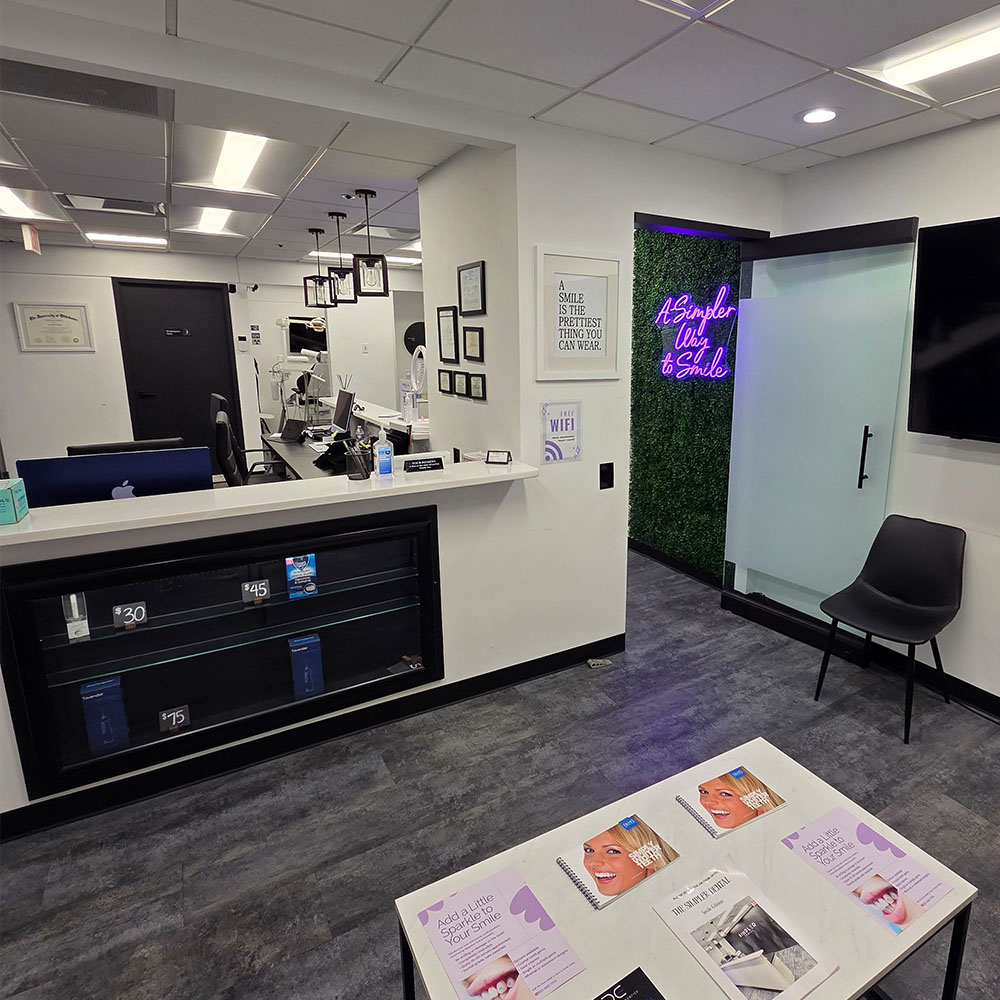
Simpler Dental is currently accepting new patients.
To arrange an appointment, please call our office. New patients may reach us at (202) 221-4689, and existing patients at (202) 545-7774. You may also complete the form below and a member of our team will contact you to confirm a time. If you provide your insurance details in advance, we will verify your coverage prior to your visit.
Our office is located in Unit 820 at 2021 K Street NW, a short walk from the Foggy Bottom-GWU Metro station. Parking is available in the building garage.